A safe haven for Chinese artists, three unorthodox Beijing art spaces provide a place to create and exchange ideas freely
A businessman’s obscure contemporary art venues – DRC No. 12, The Bunker and Tattoo Parlour – in the Chinese capital aim to provide that rare and valuable thing in the country: a truly independent space for artists

A heavily guarded block of flats, a dank and dark air raid shelter, a disused tattoo parlour opposite a Hooters bar – three contemporary art venues in Beijing. The sites are so unorthodox that they have become safe havens for artists in the Chinese capital to create and exchange ideas freely. They are run by businessman Peng Xiaoyang.
In the winter of 2015, Peng opened the independent art space DRC No. 12 inside a two-bedroom flat in one of Beijing’s diplomatic residence compounds (DRCs). These DRCs are veritable fortresses that occupy vast areas in the city centre, relics from the US-China rapprochement that occurred at the end of the Cultural Revolution and which, nearly half a century after they were built, still only allow in foreign tenants and their visitors.
The large satellite dishes outside these numbered, utilitarian towers attest to some of the privileges denied the local populace, such as access to overseas television channels (CNN’s Beijing office is in the same building as Peng’s art space). These are buildings that epitomise a deeply rooted “us and them” mentality.
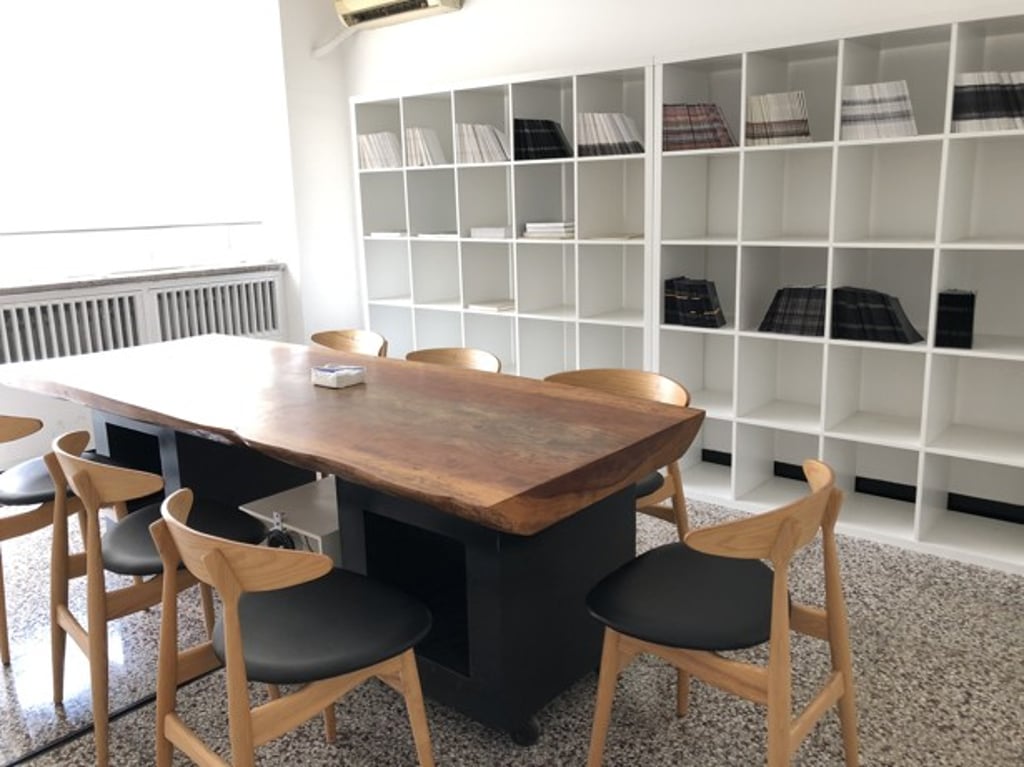
Peng, who has a Canadian passport, originally rented the flat as an office for his Chinese antiques business. “I wasn’t involved in contemporary art at all, but I heard that [abstract artist] Zhang Wei was looking for a place to exhibit and this place was so evocative of his early apartment exhibitions. I hosted his ‘Taxi Driver’ project here in March 2016 and that’s how DRC No. 12 started,” he says.
The amiable, flip-flop-wearing former lawyer is no grave-faced crusader, even if the opening of an apartment art space is itself a provocative gesture in the context of Chinese art.