The Lomography tribe: how digital natives fell in love with analogue photography and cheap cameras’ imperfect shots
Lomography takes its name from the Lomo, a cheap, Soviet-produced camera whose imperfect shots offer an unfiltered view of life. Founders of the movement 25 years ago reflect on how it took off among curious digital natives

Analogue photography is not dead, say the co-founders of Lomography, which morphed from a simple non-profit society centred around sharing non-traditional photography into an international brand selling film, analogue cameras and accessories in an almost completely digital age.
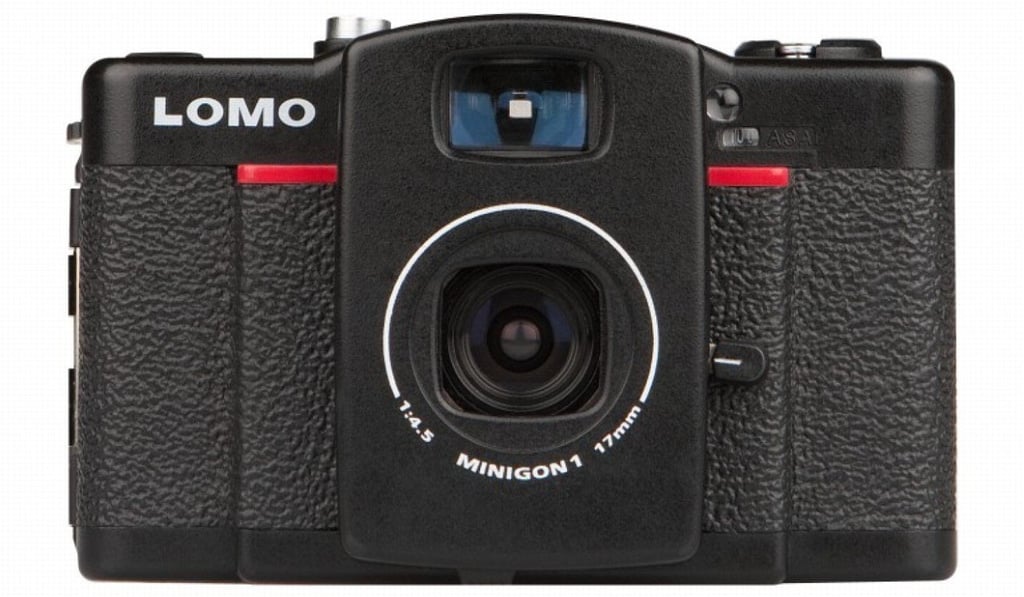
Lomography’s history can be traced back to 1991. That year a group of students from Vienna, Austria, including Sally Bibawy and Matthias Fiegl, found a small, cheap, communist-era camera built in the USSR for sale in a camera shop in Prague. The camera, the Lomo LC-A, was relatively unknown at the time, but its Soviet production meant it was cheap, and the group bought a few to bring back with them.
Most of the photos produced by the camera would traditionally be considered failures. Light would leak into the sides of the camera, causing certain areas of the film to become overexposed, known as “light leaks”. Sometimes the photos would come out in strange, unnatural hues once developed.
Their discovery of this camera could not have happened at better time, Bibawy and Fiegl say. Film was cheap to develop, and almost anyone could afford a camera. But with photography comes traditional rules, such as getting the framing right, capturing careful and precise shots, and tossing photos that suffered from light leaks or other development glitches.
Bibawy and Fiegl wanted to throw those rules out. They created the Lomographic Society, named after the quirky camera they stumbled upon. The society held exhibitions that showed off their new approach, which featured walls full of Lomographic shots, without photographer credits – which Fiegl describes as “democratic”.