What first short stories smuggled out of North Korea say about life in the hermit state, and their challenges for a translator
The Accusation, written under a pseudonym and set at a time when Kim Il-sung ruled, lays bare the inner lives of ordinary people in extraordinary times, and in a dialect rich in colour and linguistic challenges

Whenever we translate from a language or literature not yet widely represented in English, the danger is that what was intended as art will be reduced to anthropology. With a country as little known as North Korea, the sociological reading will be impossible to ignore, though the fact of The Accusation’s historicity can at least encourage a broader view: the seven stories that make up the collection are dated from 1989 to 1993, in the last years of Kim Il-sung’s rule.
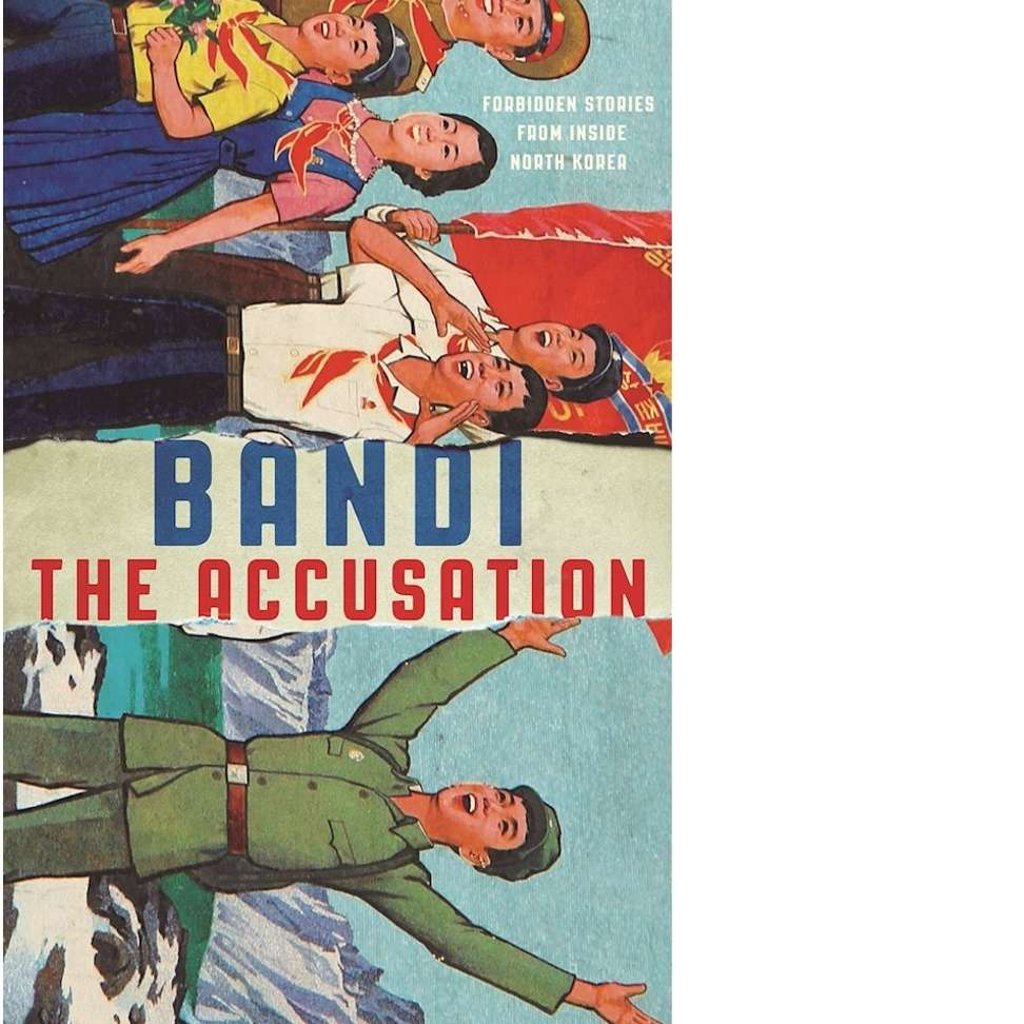
While we can assume they are roughly contemporaneous with the times they depict, the delay in publication tells us they are not capturing what North Korea is like today, but what it was like more than 20 years ago. Had its author intended the collection as an exposé merely of a political system, it might have lost its potency. But what this new book also lays bare is the inner lives of ordinary people in extraordinary times – from the loyal wife who finds herself the object of the local party secretary’s unwanted affections, to a humble grandmother who stumbles into an encounter with the great leader himself. Crucially, The Accusation reveals that what we had thought of as unknowably other isn’t so strange after all.