ReviewThree Wishes in Bardo is an original piece, well plotted with believable characters
- There is a lot of well-explained and fascinating neuroscience in the tale and sharply defined characters
- Feng handles the plot well, although sometimes he gets too wordy when he strays from the narrative

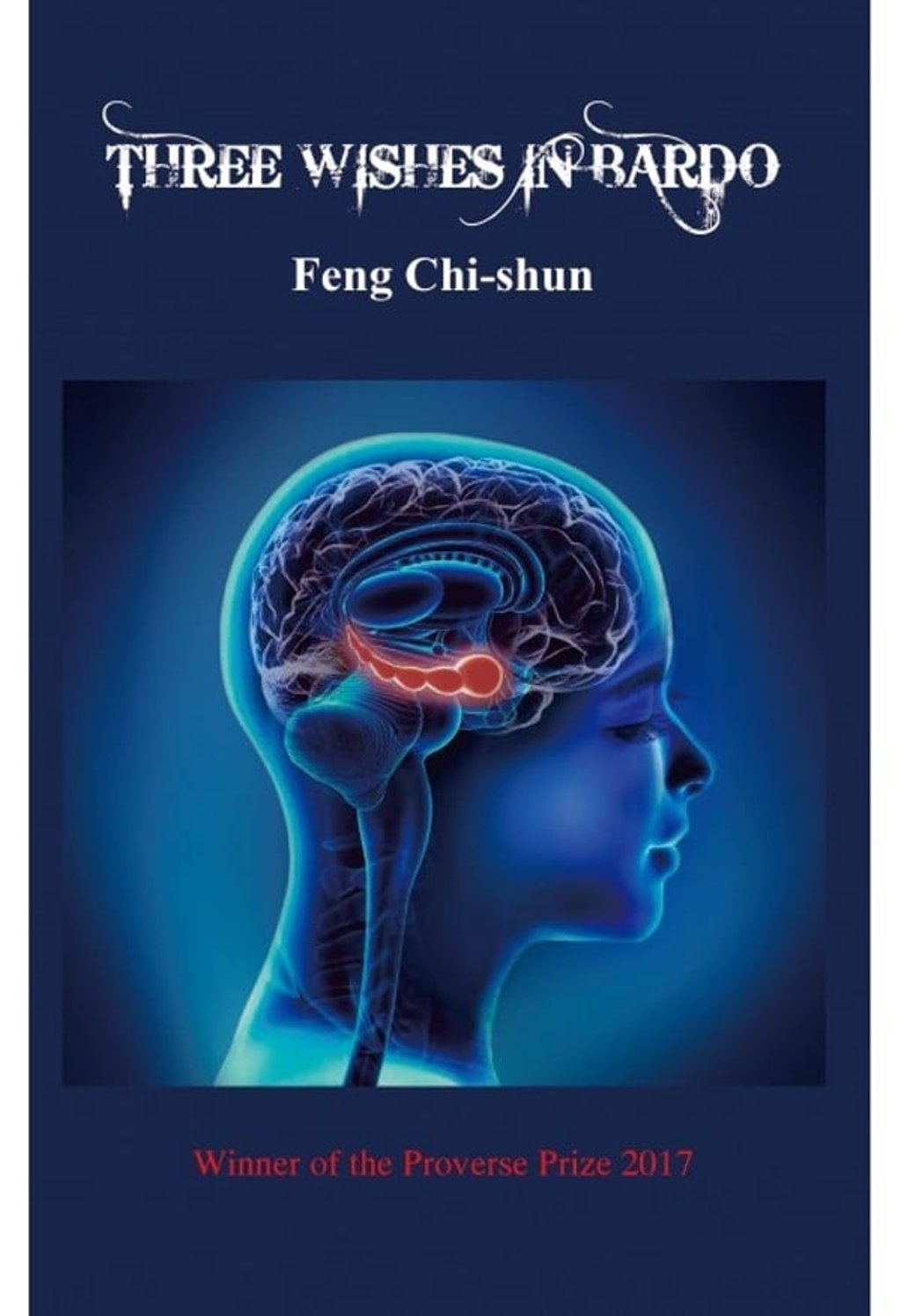
Three Wishes in Bardo
by Feng Chi-shun
3.5/5 stars
Feng Chi-shun’s Three Wishes in Bardo is a rather engaging oddity. A genuinely original work of fiction, it’s well plotted, with believable characters and genuine emotional impact, although it’s sometimes a little too keen to explain itself.
The book is so original, in part because it’s so impossible to classify, a fantastical melange that takes in elements of family saga, supernatural fable, legal procedural and science explainer, all tied together by a pleasingly matter-of-fact tone. In particular, it is given to surprising bursts of magic realism; as early as chapter two, a character is having a dialogue with a personified Mother Nature in bardo, the Tibetan name for the intermediate state between death and rebirth. That character is Mary Lee, mother of the book’s protagonist Jason Lee, and Mother Nature’s decision to grant her three wishes gives the book its title.