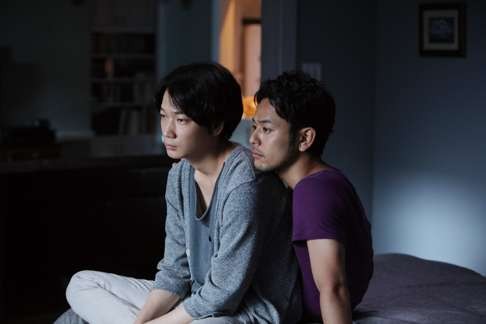
With Rage, Villain director Lee Sang-il returns to the aftermath of another grisly murder
Japan-based director mines the darkest corners of the human psyche in this ensemble drama about three different groups of people and a murderer who may be among them

When the director Lee Sang-il dominated Japan’s local film awards in late 2006 and early 2007 with his breakout hit Hula Girls – a 1960s-set melodrama about a newly-formed troupe of hula dancers in the industrial city of Iwaki – few could have foreseen the masterful conviction with which his next three features delve into the darkest corners of the human psyche.
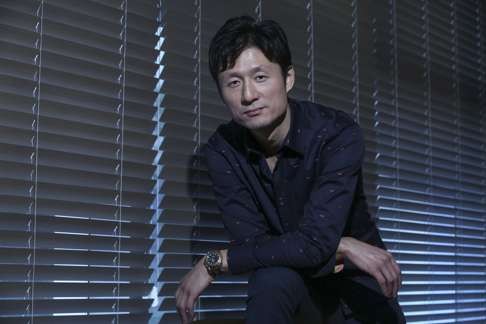
Lee’s 2010 film Villain, which garnered 15 nominations – winning five prizes – at the Japanese Academy Awards, is a relentlessly bitter romance in which a murderer runs away with a woman he just met through internet dating. After his 2013 remake of Clint Eastwood’s western Unforgiven (1992), a sombre reflection on the business of killing, Lee returns to the aftermath of another grisly crime in his latest film Rage, which contemplates the fine line between gullibility and distrust in contemporary Japan.
The glimmer of hope in the aftermath of senseless murders is a shared motif in Villain and Rage, both adaptations of books by the award-winning novelist Shuichi Yoshida. Lee was introduced by a friend to the author’s first novel, Parade (2002), over a decade ago. The third-generation Korean-Japanese filmmaker admits that the success of Villain, for which he co-wrote the screenplay with Yoshida, has paved the way for the star-studded production of Rage.