Graduation director Cristian Mungiu on Cannes wins, anger in post-communist Romania and why he won’t move to Hollywood
One of the directors spearheading the so-called Romanian New Wave, Mungiu now has three Cannes awards to his name for films that hold up a revealing mirror to life in his home country

Ask cinephiles who are the most important European directors working today and you’re likely to hear the same few names: Michael Haneke, Pedro Almodóvar, Lars von Trier and the Dardenne brothers. But a case can be made for Cristian Mungiu.
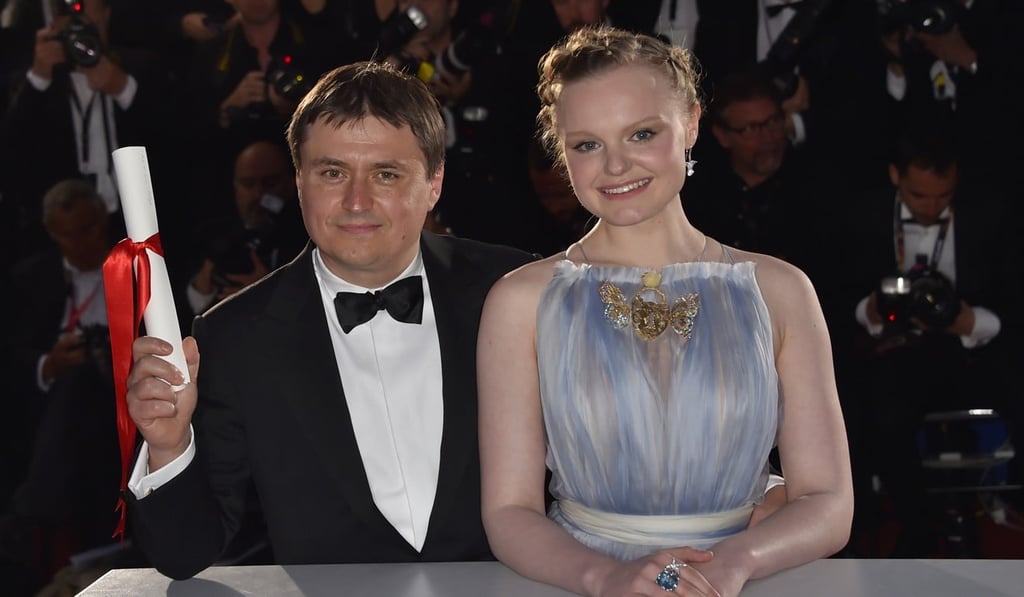
Since he burst onto the scene in 2007, when he won Cannes’ prestigious Palme d’Or for his second film, 4 Months, 3 Weeks and 2 Days , the 49 year-old Romanian has solidified his position. His 2012 follow-up, Beyond the Hills, claimed best screenplay in Cannes, while last year he shared the best director prize at the 2016 festival alongside Personal Shopper ’s Olivier Assayas for his latest film Graduation.
Spearheading the so-called Romanian New Wave alongside fellow directors Cristi Puiu, Cristian Nemescu and Radu Muntean, the soft-spoken Mungiu is too modest to crow about his success, despite his films being sold to over 45 territories.
“We have more spectators for these films in a lot of other countries than we have back home,” sighs the former teacher and journalist. “People are very proud whenever we get awards … but [there’s] something I don’t like. When people congratulate me for the awards, you ask them, ‘Have you watched the film?’ And they say, ‘Not yet!’”
Then again, Mungiu’s films so potently hold up a mirror to life in post-communist Romania, it’s possible locals would rather look elsewhere for their entertainment. His 2002 debut Occident, although comic in tone, looked at the tendency of Eastern European youngsters leaving for the West. 4 Weeks was a graphic and harrowing tale about backstreet abortions. Beyond the Hills dealt with Orthodox religion and bureaucratic indifference.