Loving Vincent: how Van Gogh’s life was subject of the world’s first animated film made of oil paint
To make this homage to the great, tragic artist, his works were painstakingly recreated with oil paints and repainted over and over to produce the illusion of movement. In total, 125 artists painted 65,000 frames

It started as a pipe dream, a short film idea about animating with paint. Six years later, Loving Vincent arrives in cinemas as a miraculous achievement.
The “world’s first fully-painted feature film”, as the press materials proudly boast, this full-length homage to the life and work of Dutch post-Impressionist artist Vincent van Gogh is an immersive experience like no other. From Café Terrace at Night to Wheatfield with Crows to The Starry Night, Van Gogh’s masterworks spring to life in mesmerising, hypnotic fashion.
Moreover, rather than using computer graphics, artists painstakingly used oil paints. A full-on image would be painted on a canvas; then elements – say, a person’s head and shoulders – would be scraped off and repainted frame by frame to simulate movement, 12 times for every second of film.
As amazing as that notion is, far more labour-intensive than even animation with clay, Loving Vincent is more than just a gallery of pictures shimmering to life on screen. It’s also a look at the final days of Van Gogh’s life from those who knew him best.
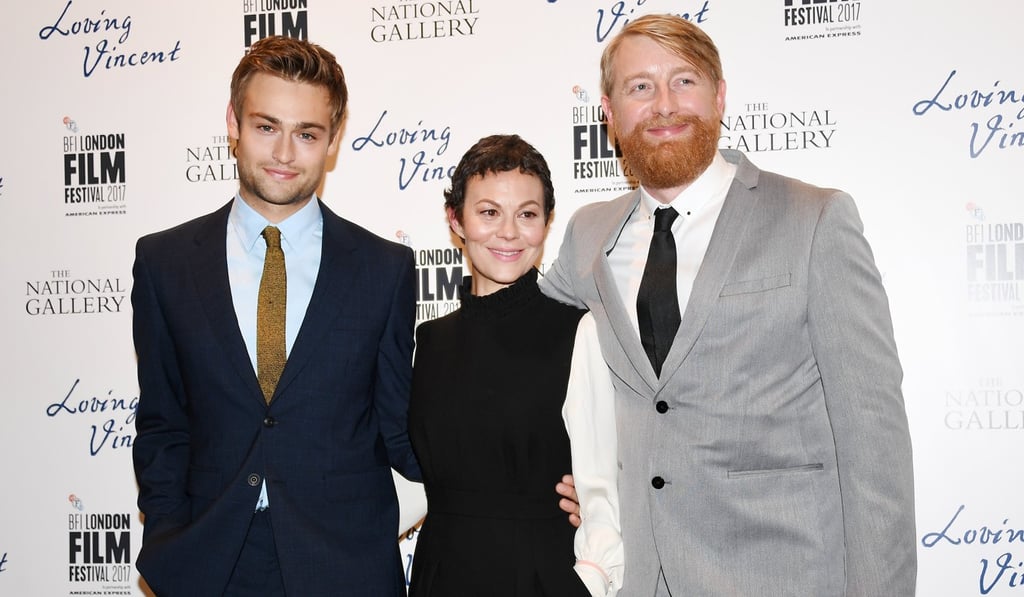
“Vincent had this very dramatic, very personal, very tragic and very heroic story,” says British-born Hugh Welchman, who co-wrote and co-directed the film with his Polish animator wife Dorota Kobiela.