Lady Bird writer-director Greta Gerwig on putting her life into the Oscar-nominated film, and her own cinema education
In some ways the titular lead character of Gerwig’s directorial debut is ‘the opposite of how I was’, says California-born actress, who describes how she learned about filmmaking from each of the film sets she’s been on

“I didn’t dye my hair and I never made anyone call me by a different name,” says Greta Gerwig. Neither did she ever deliberately fall out of a moving car mid-argument while her mother was driving. These are just some of the things that happen to the lead character in Gerwig’s much-acclaimed Lady Bird, an Oscar contender about yearning to leave home.
It’s probably not the first time Gerwig’s been asked how closely what happens to Lady Bird’s leading lady, Christine McPherson, played by Irish star Saoirse Ronan ( Brooklyn ) mirrors her own life. After all, the salmon-haired teenage protagonist, who renames herself ‘Lady Bird’ on a whim and refuses to be known by her given name, comes from Sacramento, California and attends a Catholic school, just as Gerwig did.
Maybe the only other time Sacramento has made it to screen was in 2012’s Frances Ha – co-written by and starring Gerwig – when the title character leaves her New York couch-hopping existence for the sanctuary of her parents’ west coast abode.
“I never think too much about saying, ‘This belongs to autobiography and this belongs to fiction’,” says Gerwig, 34. “I always tend to start from a place that feels emotionally true, and then I allow it to spin out into fiction.”
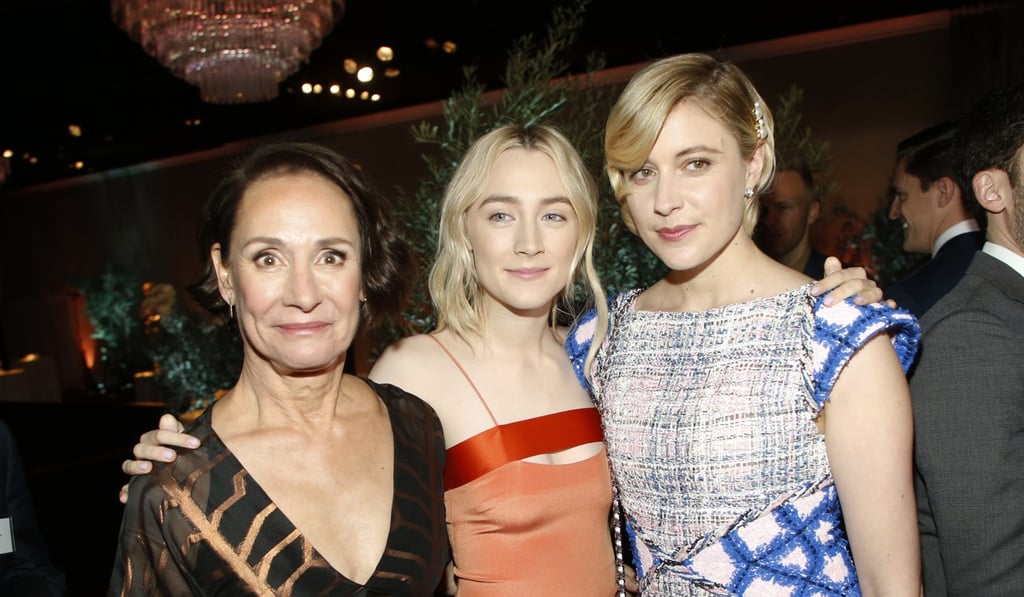
According to Gerwig, this “fiction” is a long way from the truth of her adolescence.
Whether or not people take it as autobiography, I have very little ability to control
“In some ways, Lady Bird was the opposite of how I was as a person,” she says. “I was a rule follower and a people pleaser and she’s much more of a rebel and wild in a certain way. It was almost allowing myself to explore something that I was not able to be as a teenager. Like creating a heroine – a flawed heroine but a heroine.”