ReviewCode Geass: Lelouch of the Rebellion Episode II film review – anime sequel loses political relevance amid jam-packed story
This violent tale of politics and colonial rule is spoiled by the huge amount of information packed into the story, that leaves a confusing mess that only true fans of the original could enjoy

2.5/5 stars
Produced by the same animation studio (Sunrise) and director (Goro Taniguchi) as Episode I , the anticipated sequel Code Geass: Lelouch of the Rebellion Episode II picks up from where the previous feature left off and goes straight into action.
The film sees Princess Euphemia (voiced by Omi Minami), also vice governor of “Area 11” (the name of Japan under Holy Britannia’s colonial rule), uncover the identity of revolutionary leader Zero, who is actually Lelouch Lamperouge (Jun Fukuyama), the exiled prince of Holy Britannia.
Hoping to extend a helping hand, Princess Euphemia establishes a special administrative zone where the Japanese can be treated equally. But the plan goes awry as Lelouch’s power to manipulate minds goes out of control and the peace deal turns into a massacre. Despite being appointed the Princess’ Knight, Suzaku Kururugi (Takahiro Sakurai) can do nothing to save her.
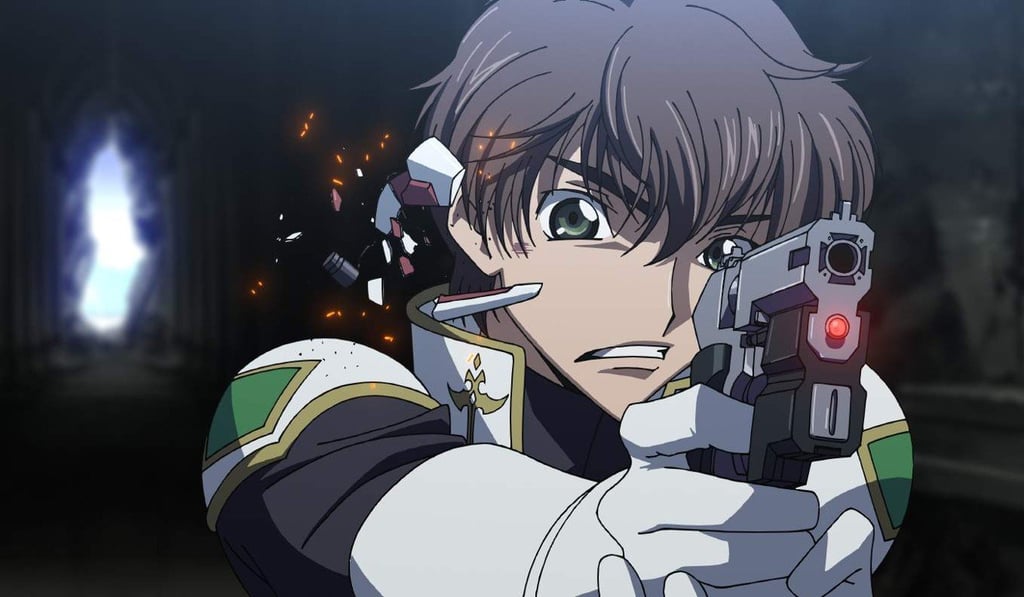
And this is only one of many plot twists jam-packed into the story. Characters switch sides, disappear, lose their memory then regain it (or not), die and come back to life faster than the audience can keep track. While the anime has plenty of lighthearted scenes about the characters’ campus life, this compilation is relatively darker, depicting only the violence and battle after battle.
In spite of its newly drawn scenes, Episode II is not so much a new adaptation and more of a condensation of one-third of two anime seasons into 132 minutes. There is way too much information for viewers to take in, and many scenes feel irritatingly disconnected. Even information critical to the plot is often told in just one line and is easy to miss in the confusing maze of fragmented scenes.