The Dark Knight: How Christopher Nolan used architecture to alienating effect
Director Nolan’s second love is architecture and it shows in his second Batman film. He left behind Tim Burton’s gothic cityscape, using real buildings in Chicago, Hong Kong and the UK to create atmosphere

The film begins with a smash.
Specifically, an explosion of glass as a clown-masked bank robber blasts a window from the flank of a corporate tower from the 1980s. The robber and his various masked accomplices then prepare to wreak mayhem as they abscond with the mountains of money stored in a neighbouring bank (played by the old Chicago post office, an Art Moderne structure from 1932).
The Dark Knight, the acclaimed second entry in director Christopher Nolan’s blockbuster Batman trilogy, returns to select Imax theatres in the US for its 10th anniversary.
The film lives on in the cultural lore for a variety of reasons.
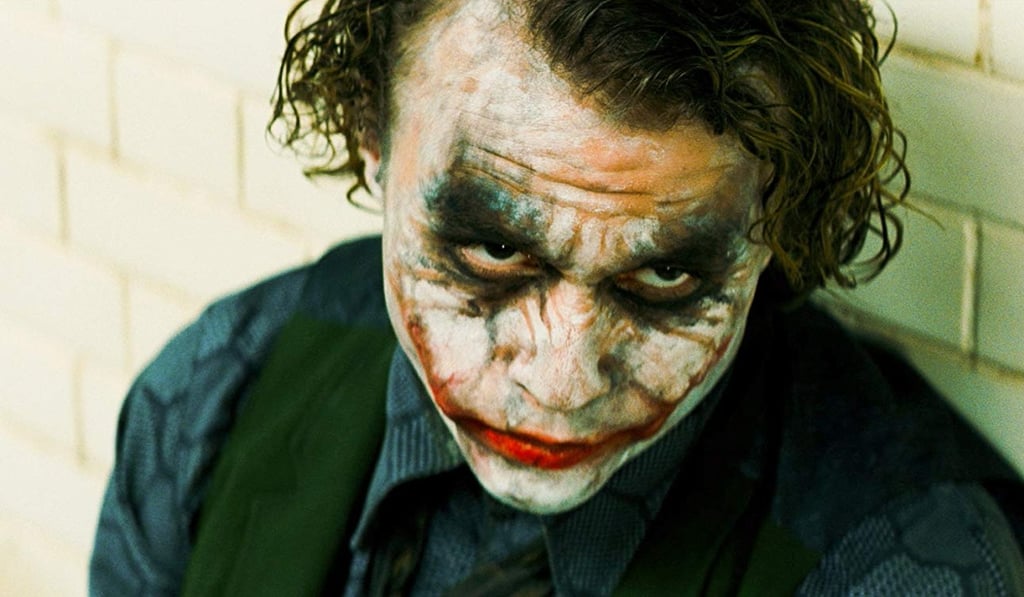
There is Heath Ledger’s deft performance as the Joker, in which he took a role that could have been all cartoon, and turned it into something more unhinged.
But what made The Dark Knight truly remarkable is that Nolan set his Gotham not in some villainous realm, but in the contemporary American cityscape (principally, Chicago).
Nolan’s astute, cinematic deployment of architecture is no accident.