Review | Berlin 2019: So Long, My Son film review – fallout from one-child policy in China explored
- Wang Xiaoshuai returns to form with this story of how a couple in China, and their friends, cope with the death of their only son
- Despite its sombre narrative, the film, the first in a promised trilogy, may be Wang’s most upbeat yet. Hope and understanding permeate its ending

3.5/5 stars
Another year, another decade-spanning relationship drama from one of China’s so-called sixth-generation filmmakers. Wang Xiaoshuai’s So Long, My Son, which received its world premiere at the Berlin International Film Festival on Thursday, is more empathetic and fulfilling than Jia Zhangke’s Ash Is Purest White , which received its premiere at the 2018 Cannes Film Festival.
The story of how a couple in China cope with the death of their only child, the film – the first in Wang’s promised “Homeland Trilogy” – is a subtle depiction of human relationships, even if it unrolls rather slowly and its intercut timelines are confusing.
It eschews simplistic allusions to the changes that have swept China in the past 40 years, yet the film doesn’t avoid social commentary; on the contrary, the story itself can be read as a scathing critique of the country’s one-child policy, recently scrapped. There are also powerful scenes illustrating the painful fallout from China’s manic lurch towards capitalism in the 1980s and early 1990s. But they never distract from Wang’s goal, which is to show how ordinary people grapple with grief and moral dilemmas.
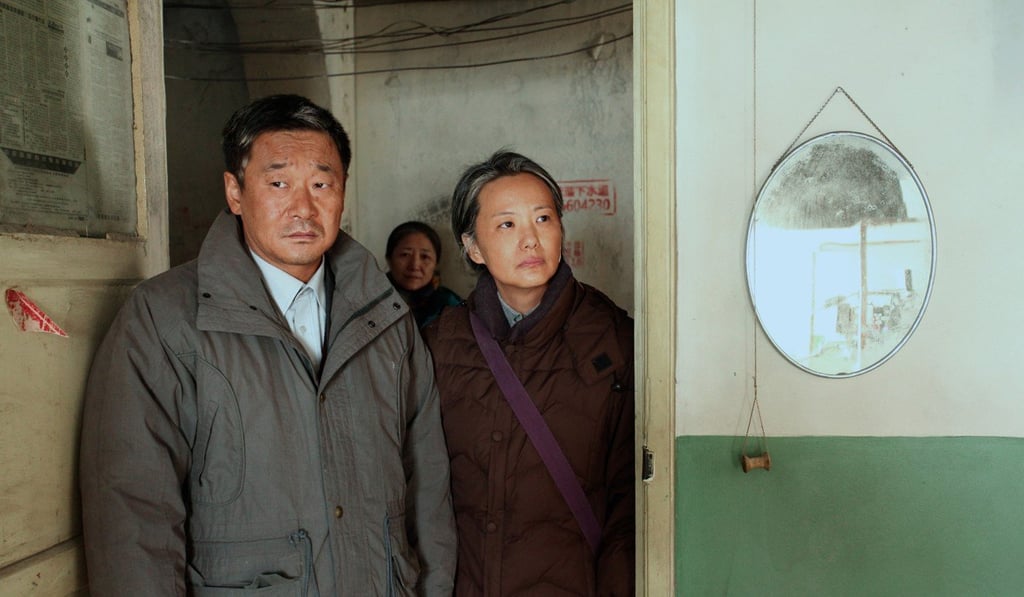
Set sometime in the late 1990s, the film continues Wang’s exploration of themes such as the significance of blood relations (seen in his earlier film In Love We Trust, for example) and the repercussions of guilt (Red Amnesia).