How pianist Murray Perahia seeks out the message in music he plays
Works don’t just have a beginning and an end but an internal structure and a context, acclaimed musician discovered during a forced hiatus from playing, as he tells Victoria Finlay ahead of Hong Kong concert
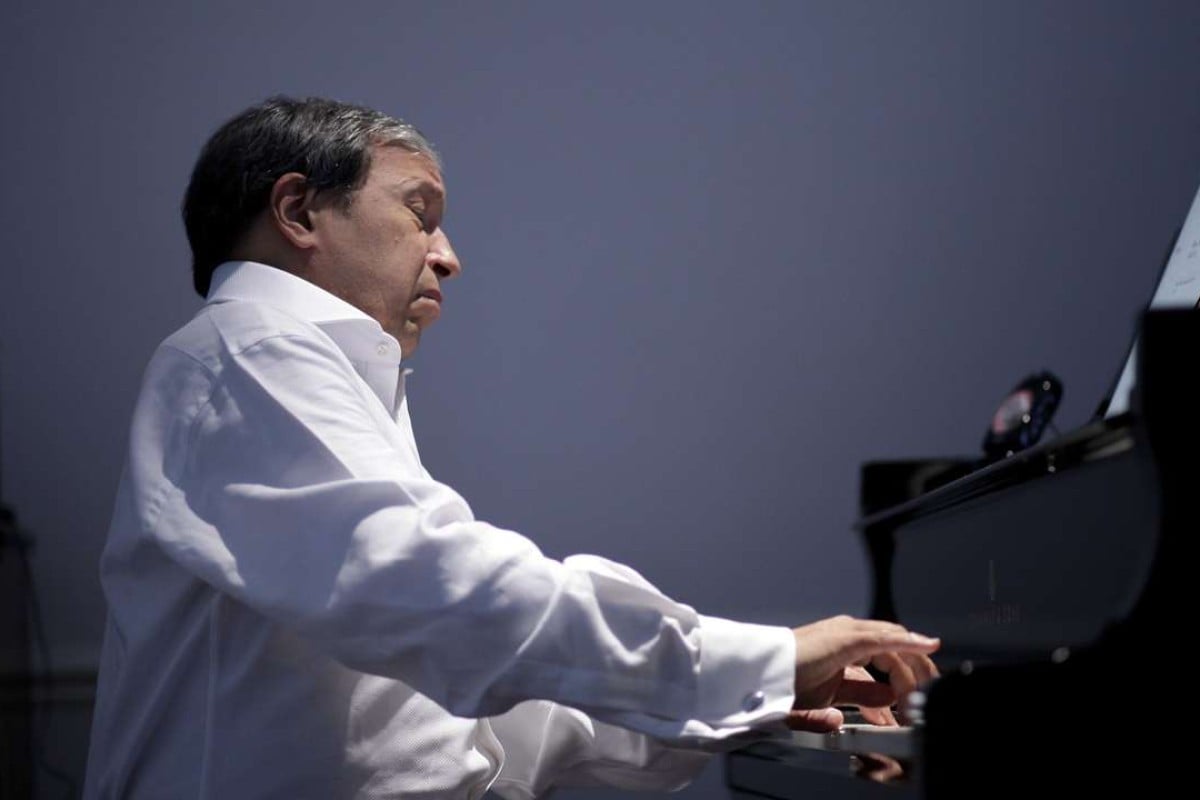
When American pianist Murray Perahia was four years old, he went to kindergarten in the Bronx, New York. But there was a problem. He couldn’t speak a word of English and the only language he could speak, was ancient.
“I’d only ever spoken Spanish – the Spanish of the Jews,” says Perahia. The language, still spoken by the descendants of the Jews who had been banished from Spain in the 1490s, is the Spanish of Cervantes, a very old language.
“In a way it’s responsible for my music because my kindergarten teacher saw I couldn’t speak English and I didn’t have any connection to the other kids but she knew I was taking piano lessons and encouraged me to play. And she in a way sparked my music. She encouraged it, and [when I was six] urged us to go to another teacher.”

Today, at 69, Perahia is an acclaimed concert pianist and conductor. In a rare interview ahead of the release of his latest recording with Deutsche Grammophon on October 7and a Hong Kong concert on October 9, he recalls how he made his Carnegie Hall debut when he was 17, performed with the New York Philharmonic Orchestra a few years later before winning the prestigious Leeds piano competition in England in 1972.
That prize, and his subsequent performances and development as a musician, Perahia says, led to so many bookings that the only time he has paused for breath since that Leeds result was read out to a rapt auditorium was when his right thumb became infected in the early 1990s and he was forced to spend two years without performing.