Review: Murray Perahia’s richly layered Hammerklavier worth the wait
Pianist used the demands of Beethoven’s most monumental keyboard work to illustrate its emotional depths in a programme of complementary works that allowed him to show the effortless grace of his artistry
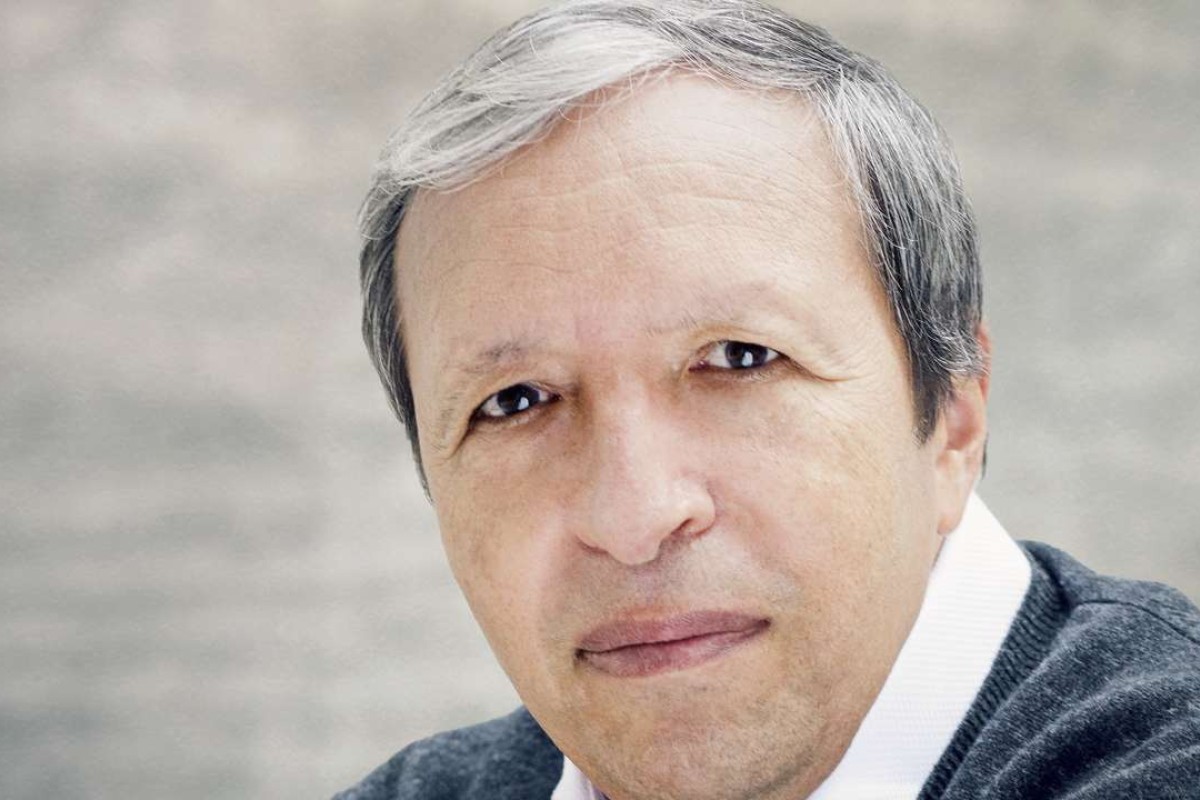
Fans of pianist Murray Perahia – and they were legion on Sunday evening at the Hong Kong Cultural Centre Concert Hall – probably thought this day would never come. Despite his extensive repertory of works from the classical canon, Beethoven’s arguably foremost among them, Perahia had always avoided the composer’s most monumental keyboard work.
Much of the reason for the delay was surely physical. In the early 1990s, complications from a paper cut escalated to severe inflammation that required Perahia to withdraw from the concert stage. Thumb surgery largely corrected the problem, but for years Perahia had steered towards playing pieces where the delicacy and flexibility of his playing were as important as its muscularity.
Which brings us to Beethoven’s Piano Sonata No. 29 in B-flat major, Op. 106, the cornerstone both of Perahia’s touring repertory this season and his programme on Sunday.
The sonata’s popular name, Hammerklavier, suggests its formidable nature (despite being merely the German word for the early piano). There’s certainly a lot of hammering involved, as well as lightning-fast finger work and moments of supreme delicacy. But those are merely the technical requirements. The artistry comes in making one’s playing a gateway to the soul.

Much as Beethoven’s musical demands come in waves, so did appreciation of Perahia’s playing. First came the burnished surface, then the space beneath, full of life and inner richness.