What Harvey Weinstein scandal means for misbehaving musicians used to getting away with it
Singers have for years survived accusations of misconduct and found forgiveness through their songs. The movie mogul’s disgrace may mean they’ll face more serious consequences in the future

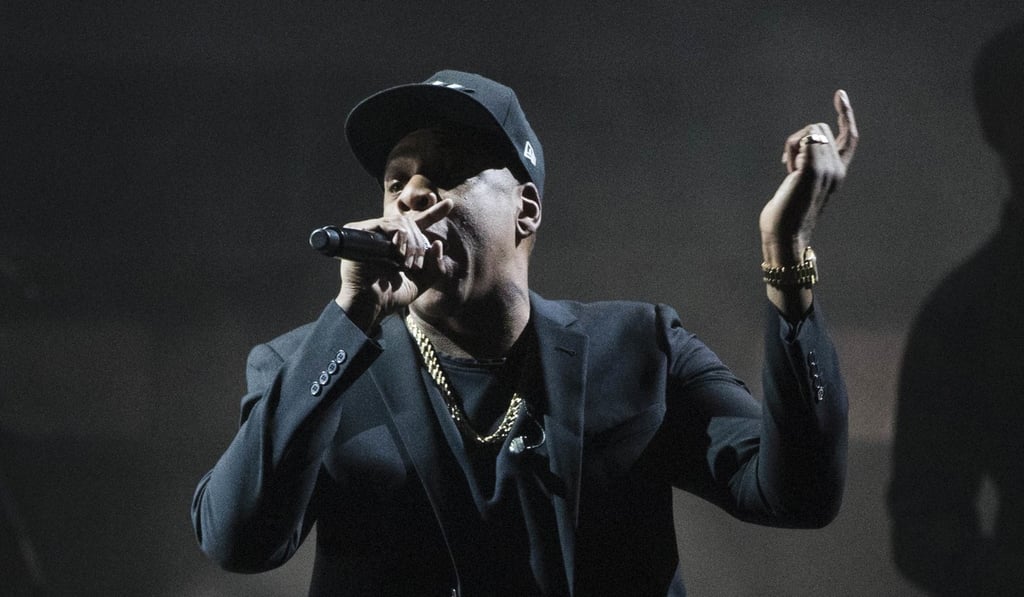
“‘I’m not the man I thought I was and I better be that man for my children’,” Weinstein quoted the rapper as saying in his song 4:44, in which Jay-Z alludes to cheating. Weinstein added: “The same is true for me.”
Super-producer Harvey Weinstein apologises after sexual harassment claims
With its flippant tone and its defensive reference to the 1960s and ’70s – “when all the rules about behaviour and workplaces were different” – Weinstein’s written statement displayed a stunning misapprehension of alleged behaviour that now has been described by more than 50 women. (The statement also got Jay-Z’s lyrics completely wrong, clumsily paraphrasing a few lines from 4:44.)
But it’s not hard to understand why Weinstein looked to a musician in his bid for absolution. For decades, singers, rappers and guitar players have weathered accusations of misconduct – from infidelity to far, far worse – with little or sometimes no discernible damage to their careers.
The explanations are as numerous as they are dissatisfying, from the prevalence of shadowy workplaces like recording studios and tour buses to the lack of even the meagre protections some film and TV performers say they receive from the actors’ guild.