Max Richter: there’s a tremendous earthquake going through our culture at the moment
- Composer talks about Sleep, his radical eight-hour work that was a reaction to our data-saturated age, and why he rescued Four Seasons from being elevator music
- His Vivaldi reworking is paired with his first work, Memoryhouse, in two upcoming orchestral concerts

When Max Richter announced he would be taking Antonio Vivaldi’s famed Four Seasons concerti, stripping out three-quarters of the notes and reimagining the pieces in his own image, the reaction from those around him was profoundly negative. “Basically everyone said it was a bad idea,” says the German-born British composer with a chuckle, speaking over the phone from Oxfordshire, central England, where his home and studio are. “On the face of it, it is slightly insane.”
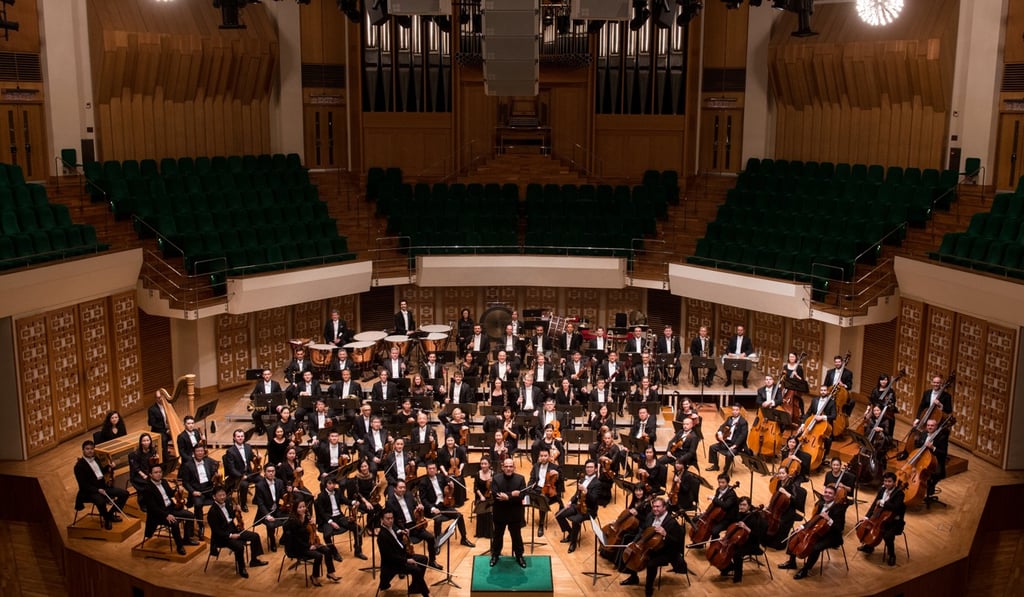
Six years after the release of Recomposed by Max Richter: Vivaldi The Four Seasons, Richter will perform the rewritten works with Hong Kong’s Philharmonic Orchestra alongside his 2002 debut release, Memoryhouse.
Four Seasons is a prime example how some of the most highly regarded compositions can lose their impact and become stale and cliched through overexposure. It was one of the first pieces of music that thrilled Richter while growing up in Bedford, north of London, yet he was dismayed as an adult to be bombarded with Vivaldi – piped into every elevator, and used as telephone hold music and to sell products on television.
Richter, 52, felt the piece had lost some of the magic that had captivated him as a child. “I grew to hate this music, which paradoxically I knew to be great,” says the composer, who is renowned for his soundtrack and neoclassical compositions. “I fell in love with it because of its beautiful melodies and the virtuosity of the violin writing, all of these things. Then when I got a bit older, I became aware that I was hearing this piece all the time.”
For detractors or those protective of Vivaldi’s original, Richter’s project could have smacked of arrogance, or of laziness in that he wasn’t creating his own works from scratch. But the resulting collection is proof he is guilty of neither.