Are Chinese consumers losing power? Soft spending in Golden Week raises concerns
Slow spending takes the shine off Golden Week as consumers refuse to take the economic strain of US-China trade war

Slow spending during China’s biggest holiday week of the year has raised fresh concerns that Beijing may find it hard to rely on its 1.4 billion consumers to bolster growth amid an intensifying trade war with the US.
Consumer spending during this year’s week-long National Day break grew at the slowest pace since the Golden Week holiday system began in 2000.
Sales at the country’s retailers and restaurants over the seven-day holiday, which begins on October 1, amounted to 1.4 trillion yuan (US$200 billion), according to China’s Ministry of Commerce. Total sales in last year’s super Golden Week, which had eight days, were 1.5 trillion yuan.
On a daily basis, that means retail sales over the whole National Day holiday rose only 6.7 per cent compared to a year earlier, although the commerce ministry reported growth of 9.5 per cent – either way, it was the first single-digit growth on record.
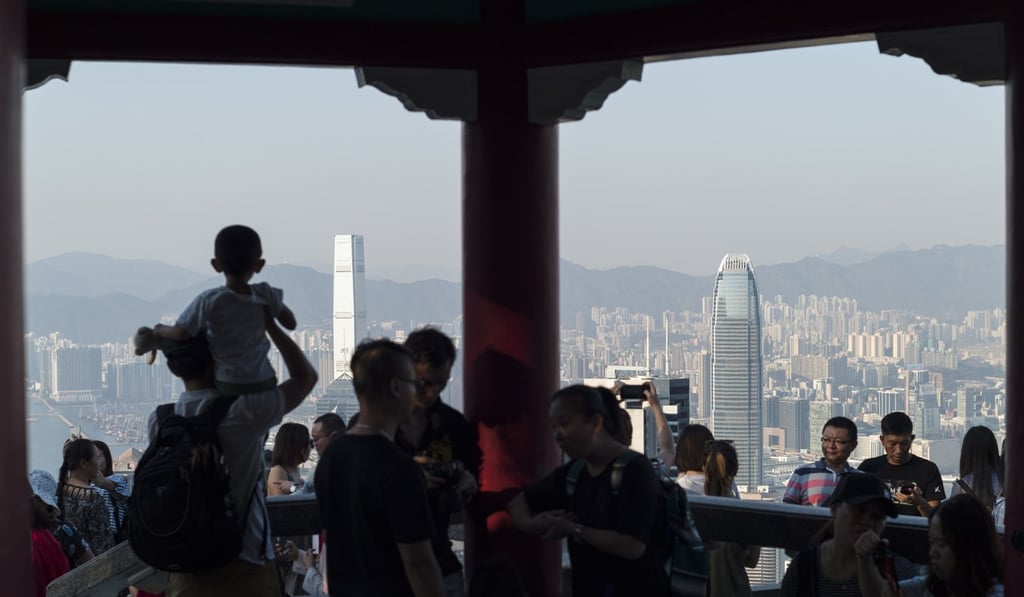
It was a similar story from the China Tourism Academy, an institute under the Ministry of Culture and Tourism, which reported an increase on last year of 9.4 per cent in the number of domestic travellers to 726 million – the lowest level of growth since 2007.
In another sign of weak consumer spending, China’s cinema box office revenues over the holiday plunged 21.4 per cent on the same seven-day period last year to 2 billion yuan (US$289 million), according to data compiled by Maoyan Weiying, China’s largest online movie ticketing service platform.