More duty-free spending power for China’s e-commerce consumers to help boost imports
- Personal allowance to increase by 30pc from January 1 to US$3,750 a year as Beijing seeks to deliver on its pledge to promote global trade
- Value of China’s cross-border e-commerce market doubled last year to 56.59 billion yuan

Chinese consumers will soon be able to spend 30 per cent more on tariff-free goods from outside the mainland as Beijing seeks to make good on its pledge to boost imports amid its trade war with the United States.
From January 1, the annual quota on cross-border e-commerce purchases for individual buyers would rise to 26,000 yuan (US$3,750) from 20,000 yuan, the government said on Wednesday, after a meeting of the State Council, the nation’s cabinet.
The tax-free limit on single transactions, meanwhile, would increase by 150 per cent, to 5,000 yuan, it said.
The move comes after Chinese President Xi Jinping promised this month to boost imports. In his keynote speech at the China International Import Expo, he said the world’s second-largest economy would lower tariff levels, improve customs clearance processes, reduce the cost of importing goods and accelerate the growth of cross-border e-commerce.
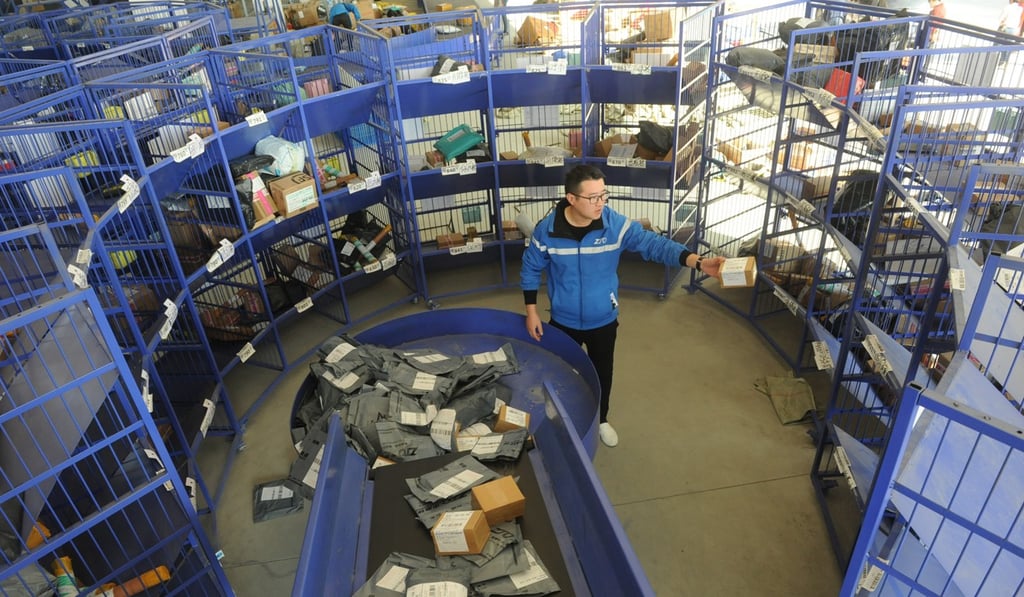
China’s 1.3 billion consumers have become increasingly drawn to foreign goods available on overseas websites, with the value of such transactions more than doubling last year to 56.59 billion yuan, according to customs data.
“[The larger quotas will] support opening up and stimulate consumption,” Chinese Premier Li Keqiang said after the meeting.