Will China make good of its latest promise to give private firms more access in a market that favours the state sector?
- Private firms and foreign investors in tandem with the overhaul of the state economy have transformed China into an economic powerhouse, but the playing field is still tilted in favour of state-owned enterprises

China’s private sector, the driving force behind the country’s economic miracle over the last 40 years, is struggling amid the Chinese government’s campaign to reduce national debt and the trade war with the United States. This is the third story in a series that will detail the challenges private firms face and outline the government’s attempts to address them.
In late October, the profit-losing state-owned automaker FAW Group received a 1 trillion yuan (US$145 billion) credit line from 16 of China’s biggest lenders, at the same time that Beijing reiterated its promise to grant the private sector that accounts for more than 60 per cent of the Chinese economy with more loans and market access to stay competitive.
The huge credit line led by policy lender China Development Bank underscores the extent of unlevel playing field private firms face and the political clout state-owned enterprises (SOE) companies like FAW – the first Chinese automaker to produce the nation’s first passenger car in 1958 – wield.
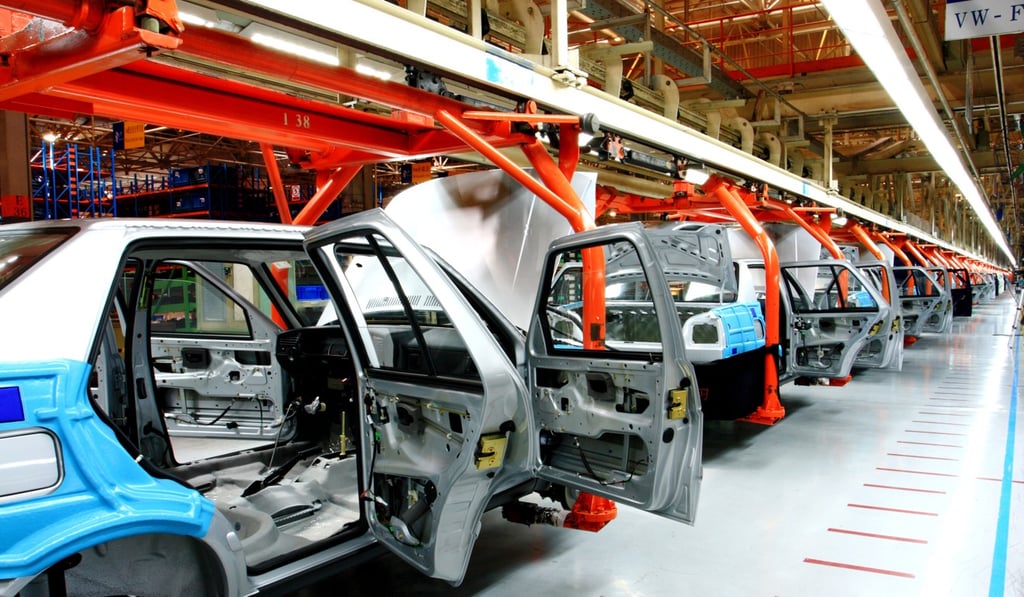
The harsh reality of what private firms are up against, from access to preferential policies and subsidies in doing business to financing, is telling not just in the auto industry but across numerous sectors that SOEs traditionally dominate. Last year, most of the 28 million cars sold in the world’s No 1 market – which is opened to private and foreign companies – were produced by state-owned manufacturers, as were China’s top five carmakers, according to official data and PwC. Less than 1 per cent of cars were imported from the US.
“China goes through phases [when it comes to policy support]. For a while it favoured state firms more, there were times it was private firms,” he said.
Keeping a tight leash on its most strategic and lucrative industries would foster the communist ideological premise pushed by Chinese President Xi Jinping, even as the government steps up its charm offensive to win over the private sector to help buffer the slowest economic growth pace in a decade.