Goldman Sachs at centre of latest bout of nationalism and resentment in China over Sinopec oil deal
- American investment bank follows the likes of Dolce & Gabbana, Canada Goose and Lotte to suffer at the hands of negative online debate
- Beijing government keen to attract overseas investment to offset effects of the trade war with the United States

China’s efforts to woo foreign businesses in an attempt to offset the trade war with the United States is battling against a rising tide of resentment, with American investment bank Goldman Sachs the latest to fall foul of a growing bout of nationalism.
Despite holding a tight grip over online debate as well as official media, the central government in Beijing is struggling to control outbursts of speculation against foreign firms at a time when China is keen to prove its free trade credentials.
And while it is hard to quantify the risks stemming from the such backlashes, they can be quite damaging when targeted at a particular firm, as recent examples involving the likes of luxury designer Dolce & Gabbana, Canadian down coat maker Canada Goose and South Korean retailer chain Lotte show.
The latest ill feeling towards an overseas firms stems from oil trading losses suffered by China’s state-owned oil enterprise Sinopec, with debate online asking whether Goldman should be blamed for the company’s bad investment decisions.
The rising chorus of complaints reflect popular suspicion and mistrust of foreign financial operations in China, just as the government is set to open up its financial services sector, analysts noted.
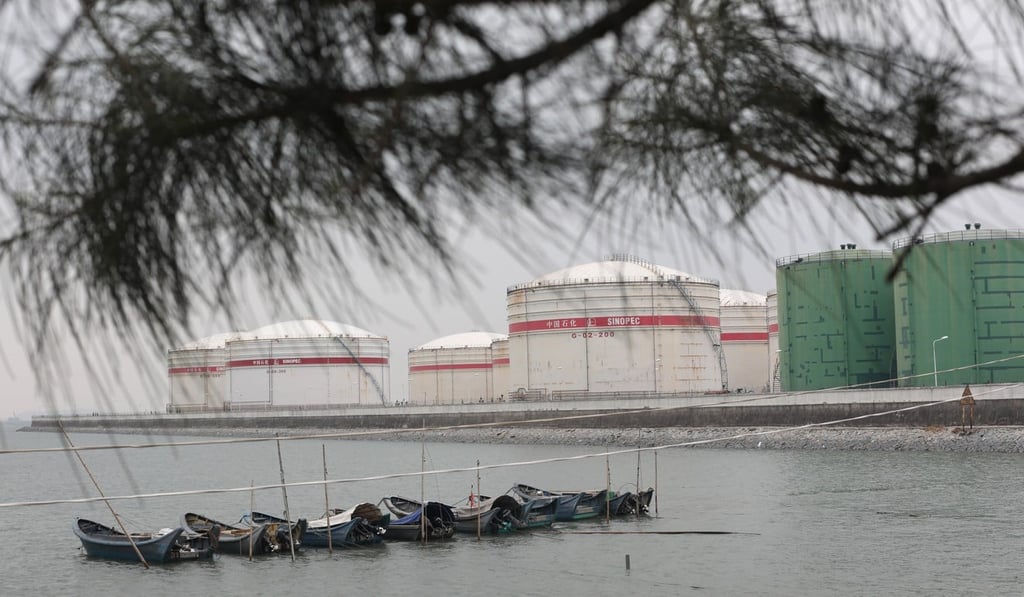
The scale of the losses suffered by Sinopec from oil transactions conducted by its trading subsidiary, Unipec, have not yet been disclosed, but Sinopec’s share price in Hong Kong and Shanghai plunged after it admitted to incurring “some losses during certain crude oil transactions due to the oil price drop”, it said in a statement released to the Hong Kong stock exchange on December 27.