Can China meet US trade war demands on IP theft and forced technology transfer?
- One of the primary demands from the United States is for Beijing to strengthen intellectual property protection and stop forcing the transfer of technology
- China has made some concessions, but still considerably lags Western markets on enforcement

This is the first article in a five-part series looking at US demands for structural reform in the Chinese economy. These demands are the named conditions for ending the trade war.
1. The US demand: intellectual property protection and an end to forced technology transfer
Foreign companies complain that China uses administrative tools such as foreign ownership restrictions, business licensing and product approvals to “coerce” the firms to transfer technology and intellectual property (IP) to Chinese entities.
This is often claimed to be the key to gaining access to a huge consumer market in a nation of 1.4 billion people.
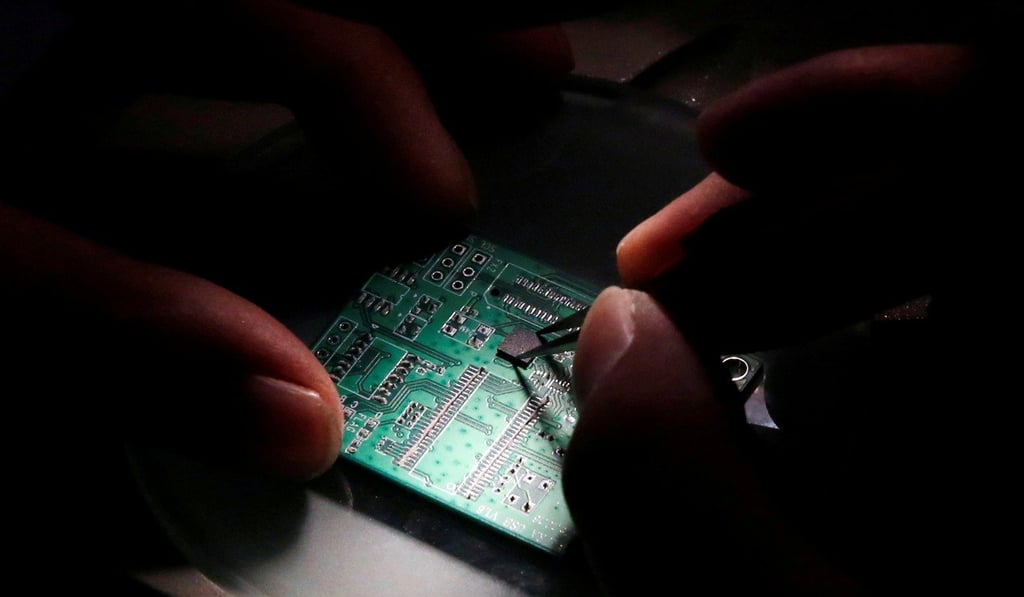
Systemic IP theft in China costs US companies at least US$50 billion per year, according to a US Trade Representative (USTR) report published in April 2018, following an investigation under Section 301 of the Trade Act of 1974.
That was the legal basis for the US’ imposing a 25 per cent tariff on US$50 billion of Chinese imports starting in July last year and an additional 10 per cent tariff on US$200 billion of imports from September.