China’s fragmented health care system under increasing pressure as nation rapidly ages
- Around 2,300 top tier public hospitals are at capacity, while 950,000 lower-tier hospitals, community health centres and clinics struggling to attract patients
- Lack of general practitioners and training blamed for fractured system as private investors battle government red tape to open private hospitals

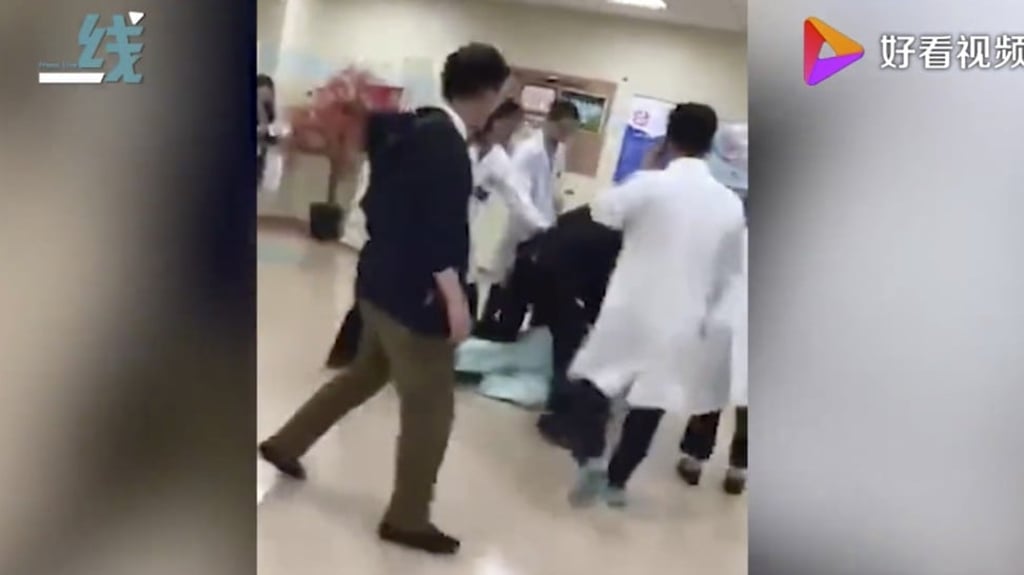
In April, scenes of a seasoned doctor from a large public hospital in Shanghai being taken away by police in handcuffs after a confrontation with the relative of a patient went viral, but also reignited the debate about the often fiery relationship between medical professionals and the public in China.
Thoracic surgeon Zhao Xiaojing had allowed one extra patient to be added to his already full schedule for the day, a common practice due to overwhelming demand, but that meant the patient had been waiting for five hours at Renji Hospital.
Stressed and outraged, the patient’s husband eventually ran into the consultation room to demand Zhao treat his wife immediately. Zhao was seeing another patient at the time and asked him to wait until his number was called, leading to a tussle between the two.
The case is one of many examples of a deadlocked health care system in China, where top-tier public hospitals that are home to the country’s best doctors and the most advanced equipment continue to expand, while complaints by patients about the difficulty of obtaining proper treatment from doctors never cease.
Beijing’s attempts to open up the sector to private foreign investors remain slow, but what is even more frustrating for policymakers is the need to train a sufficient number of doctors to provide quality service to meet ever increasing demand.