Is China’s concern over a possible US dollar shortage risk forcing companies to sell overseas assets?
- China’s need for US dollars to repay debts, pay for imports and fund Belt and Road initiative projects may exceed its US$3.1 trillion in foreign exchange reserves
- Anbang Insurance Group, Dalian Wanda Group and HNA Group have all been pressured to sell assets amid the trade war with the United States

This is the final article in a three-part series looking at China’s US dollar shortage risks in the trade war, as it aims to open up its markets.
Anbang Insurance Group’s plan to sell its condos at the Waldorf Astoria hotel in New York is the latest in the string of high-profile Chinese divestments that underscores China’s concern that the nation is running short of US dollars.
The Chinese holding company bought the Waldorf for a record US$1.95 billion in 2014, but under pressure from the Chinese government, is reported to be seeking buyers for the 375 flats at the hotel despite a glut of unsold luxury flats in Manhattan. In total, it is aiming to shed a portfolio of assets that includes 15 hotels having, like other highly leveraged Chinese conglomerates with overseas investments, been placed under scrutiny by Beijing.
Chinese real estate mogul Wang Jianlin’s Dalian Wanda Group has dumped US$25 billion in assets since 2017, while troubled conglomerate HNA Group was forced to sell everything from Hong Kong land parcels, to its stakes in Deutsche Bank, Hilton Grand Vacations as well as its airlines. Chinese oil giant CEFC China Energy also wants to sell 100 properties worldwide.
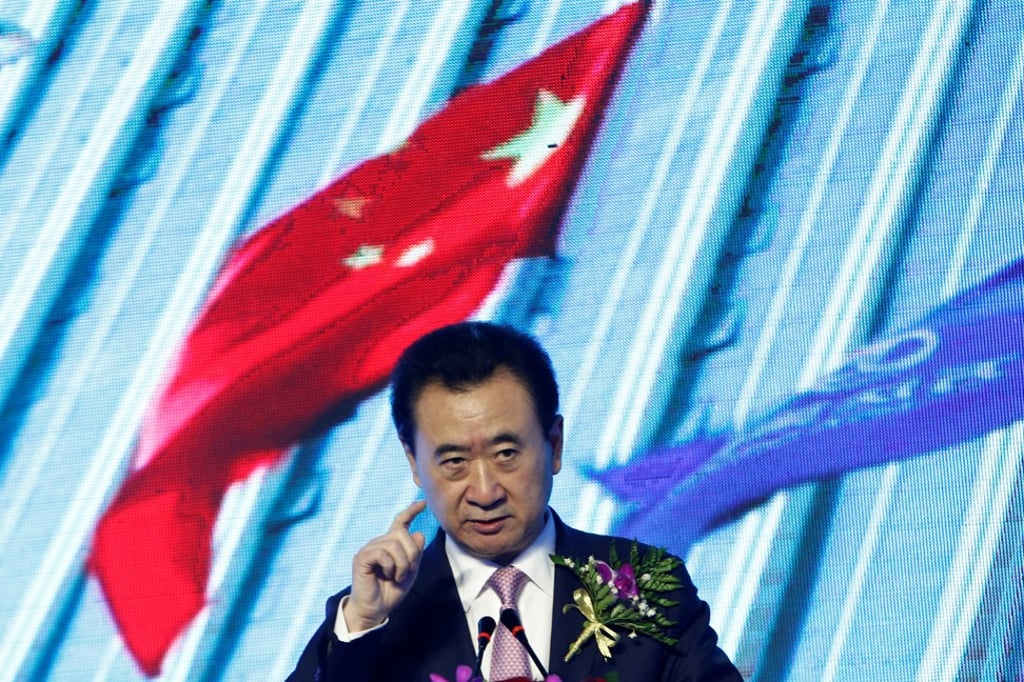
The government’s dramatic about-face from encouraging aggressive overseas acquisitions to cracking down on risky lending and overseas transfers underscores worries over the risk that the nation could run short of enough US dollars to make the interest and principal payments on its mounting debt at a time when the current account balance is coming under pressure.
“These companies are selling their assets because they don’t have enough US dollars,” said Kevin Lai, chief economist for Asia excluding Japan at Daiwa Capital Markets. “China does not want to use its US$3 trillion foreign reserves for the debt repayments, so that is why these companies need to sell their assets.”
But with state-owned banks having lent heavily to these trouble groups, China’s policymakers will not allow the conglomerates go bankrupt, meaning an increasing demand for US dollars is needed to support inefficient, cash strapped companies, complicating China’s risk of a US dollar shortage. China also has the same need to its Belt and Road Initiative.
On the surface, China should be the last country to worry about a US dollar shortage given that its US$3.1 trillion worth of foreign exchange reserves is the largest help by any nation.