Are China’s capital flight controls raising investment risks and cutting returns for Chinese investors?
- Asian Development Bank Institute’s CEO Naoyuki Yoshino warns that Chinese citizens’ asset risks cannot be mitigated with limited investment channels at home
- Despite the US-China trade war truce, slowdown in economic growth is expected to continue till 2020, according to analysts

China should gradually remove its currency controls to let citizens diversify their investments internationally to hedge against a slowing domestic economy that threatens to erode investments and the country’s massive savings, Naoyuki Yoshino, dean and CEO of the Asian Development Bank Institute has urged.
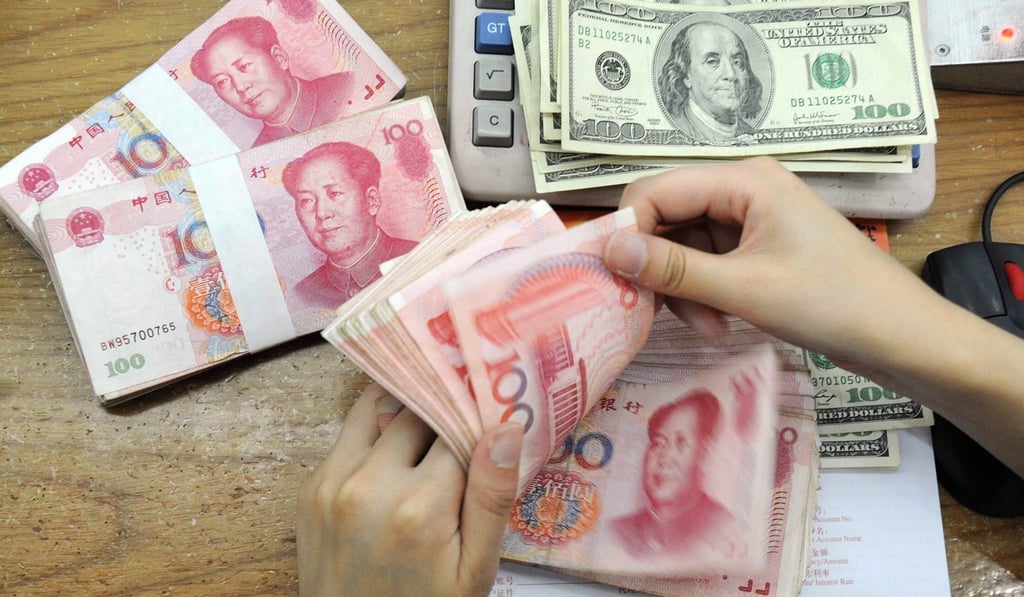
The nation’s foreign exchange regulator, the State Administration of Foreign Exchanges (SAFE), has imposed draconian capital controls in recent years to keep money onshore to prevent a sharp decline in the yuan’s exchange rate. Every Chinese citizen is only allowed to exchange up to US$50,000 in foreign currency a year at their bank, and also faces major hurdles to buying foreign exchange within that quota.
Such restrictions on the movement of money meant that Chinese individuals and companies are limited to investing domestically, making their portfolio allocations risky, Yoshino said. Their risks cannot be mitigated by diversifying into rising foreign equity markets, or into economies that are growing faster and deliver better investment returns.
“The Chinese people are losing money already because capital outflows have been shut down,” Yoshino said. “If the Chinese economy suffers from low economic growth, then all the Chinese people will suffer.”
China’s national savings rate stood at 45.7 per cent in December 2018, compared with the global average of 20 per cent and emerging country average of 15 per cent, according to International Monetary Fund data.