With China’s economy set to slow, what hope is there for struggling cities?
- Overspending on infrastructure in places like Baotao underscores limits of Beijing’s traditional stimulus policies
- Rising debt levels and falling revenue leave local governments with few options to offset slower growth

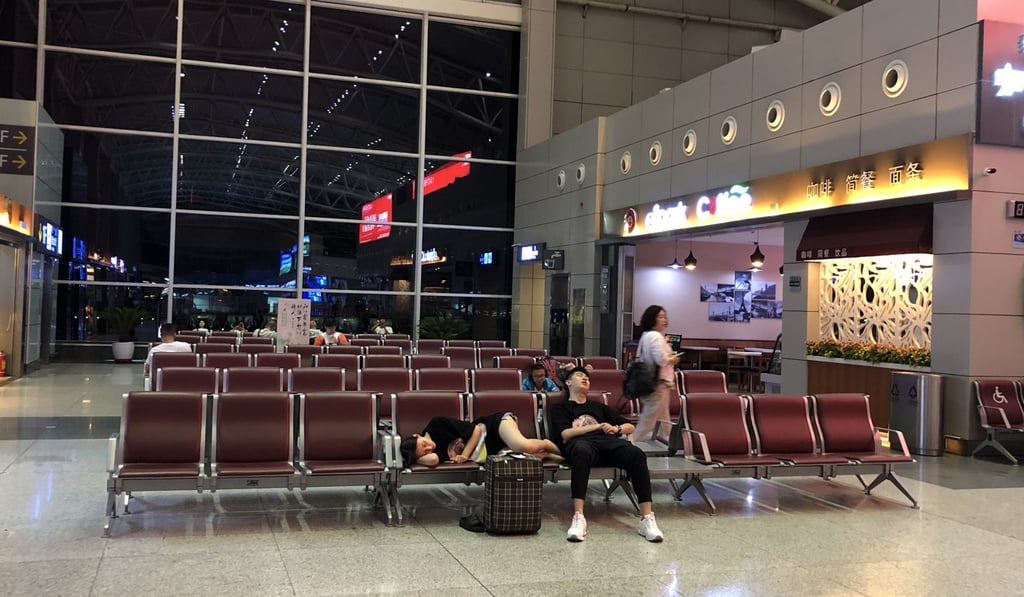
Baotou Donghe Airport was eerily quiet on an early July evening. In the departure hall staff outnumbered passengers and there were no queues at the security checkpoints, even though the information boards showed there were at least three flights due to take-off that evening.
All of the shops and convenience stores were open but there were few customers. Of the 10 boarding gates at the terminal, only one was in use.
“Welcome to Baotou, where you never have to wait in line at an airport security check,” a passenger said.
The terminal, in the most populous city in northern China’s Inner Mongolia autonomous region, opened at the end of 2014 and has the capacity to handle 4 million passengers a year.
Actual passenger numbers peaked at just under 2.1 million in 2017. The following year they fell to just over 2 million as the local economy slowed.