China’s central bank’s lack of independence less of an issue amid Donald Trump’s clashes with Fed
- The US president has attempted to place pressure on the US Federal Reserve, but chairman Jay Powell has defended its political independence
- The People’s Bank of China reports to the State Council, therefore its policies are dependent on direction from the government
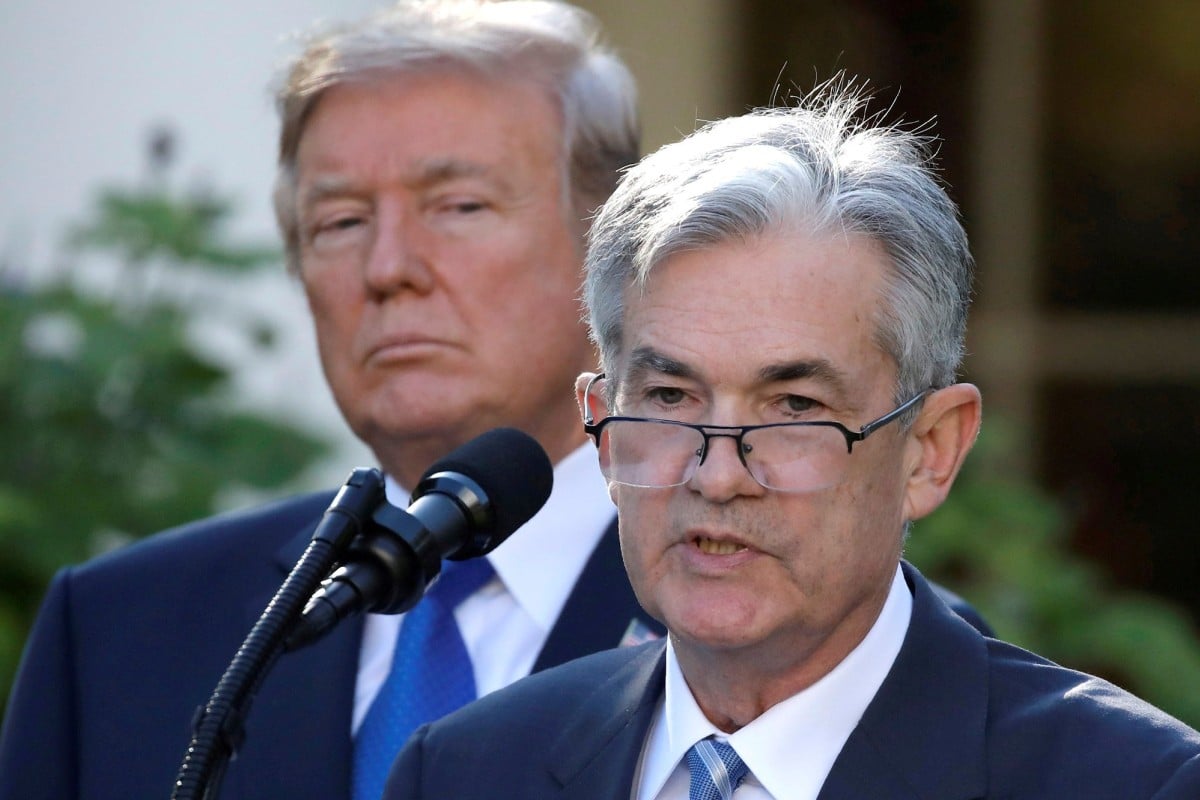
US President Donald Trump has rekindled the debate over the importance of central bank independence, with analysts questioning whether the sometimes “problematic” People’s Bank of China could be reformed in the long term to ensure more accountable financial polices.
US Federal Reserve chairman Jay Powell and other officials have vociferously denied that they react to political pressure, but their first rate cut in more than a decade on Wednesday is seen as a reaction to at least Trump’s policy choices, particularly the trade war with China.
Trump has consistently pressured the US Federal Reserve to cut interest rates to spur US growth, but as if to confirm that the American central bank was not acting on presidential orders when it trimmed interest rates by a quarter of a percentage point, the American president expressed his disappointment after Powell said that the move was not the start of a lengthy rate cut cycle.
Trump tweeted that “a lengthy and aggressive rate-cutting cycle which would keep pace with China, the European Union and other countries. As usual, Powell let us down.”
The tussle between Trump and Powell aside, the importance of central bank independence has been downgraded in recent years, especially since the global financial crisis a decade ago, with central banks now focused more on financial stability than combating inflation and changing interest rates.