China’s manufacturing exodus set to continue in 2020, despite prospect of trade war deal
- China’s rising costs, tricky regulations and increasingly unstable geopolitical situation are forcing more manufacturers to move production elsewhere
- First and second wave of leavers underway, with more to follow, despite the prospect of a minor US-China trade truce
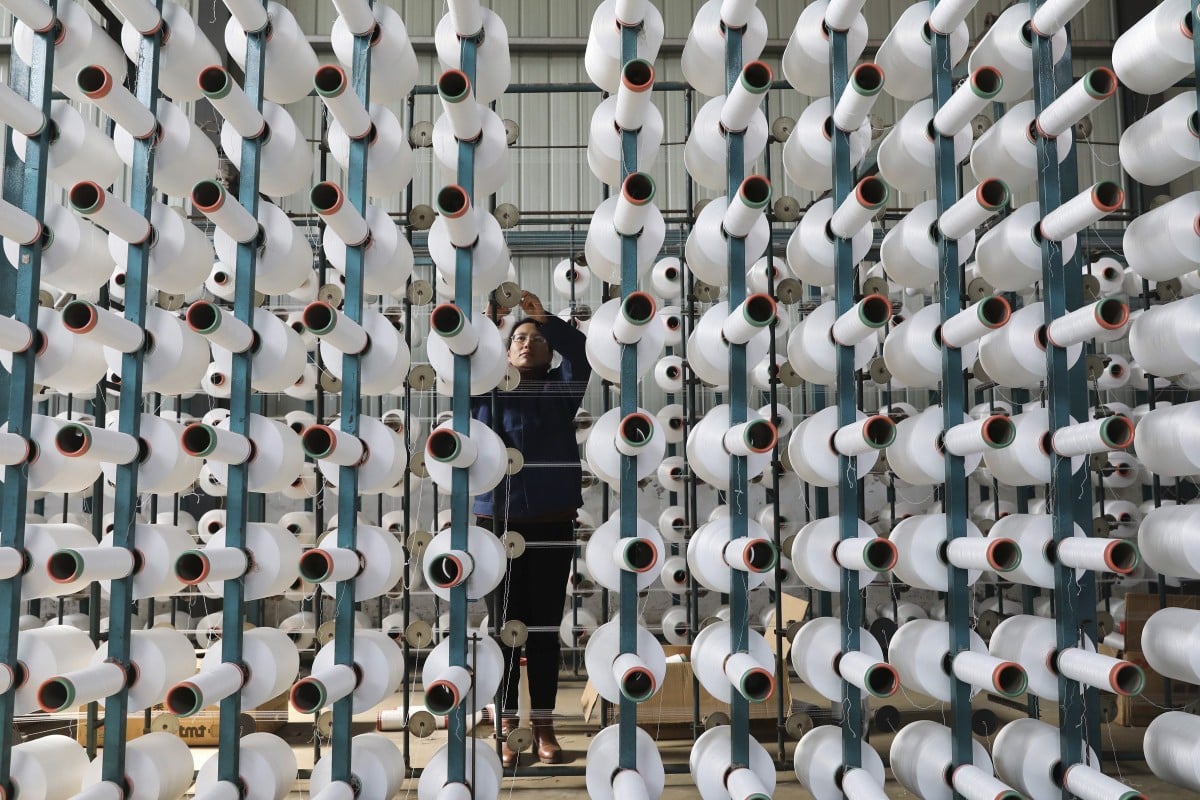
Weeks after switching on the machines of a new production line near Bangkok, veteran manufacturer Larry Sloven has a quip for the stream of companies leaving China: “Elvis has left the building.”
After three decades of building up manufacturing bases in China, Sloven helped Capstone International Hong Kong, of which he is managing director, wind one down. Costs were rising before the trade war, but a 25 per cent tariff on the lighting products the company exports back to the United States helped accelerate a shift that was set in motion 18 months ago – moving its production base to Thailand.
Now, despite the fact that lead time to hit the shelves in US stores can take up to 40 days from Thailand, almost twice as long as from China, few retailers are willing to pay the premium price that needs to be charged to keep production in Guangdong.
“Even if the tariffs went away tomorrow, most people are not coming back,” he said. “But I do not believe that most retailers in America understand this process of what a supplier must go through. Nobody will pay the price.”
Even if the tariffs went away tomorrow, most people are not coming back. But I do not believe that most retailers in America understand this process of what a supplier must go through. Nobody will pay the price
Rising labour and environmental costs, a head-spinning regulatory environment, the ever-looming threat of more and higher tariffs, along with a sharp increase in the perception of risk associated with living and working in China mean that the manufacturing exodus that began at the tail end of the last decade will continue well into this one.