Can Xi Jinping revive China’s dream of turning its poor west into an economic powerhouse?
- Despite two decades of investment and preferential policies, China’s western regions still lag far behind east coast provinces
- Western regions have struggled with dwindling populations, diminishing jobs and ballooning debt

This is the second story in a three-part series examining the Chinese government’s new Go West plan to develop the central and western regions of the country in response to growing challenges in the international environment. You can read the first story in the series here.
In 2001, the poverty-stricken city of Dingxi in northwestern China gained approval from Beijing to build a nationally significant agricultural tech park that would see some 10,000 mu (667 hectares) set aside to grow crops in the inhospitable, dry landscape.
But nineteen years later, the project is barely profitable, and instead serves as another monument to China’s failed effort to close the gulf between its prosperous eastern regions and its relatively undeveloped west.
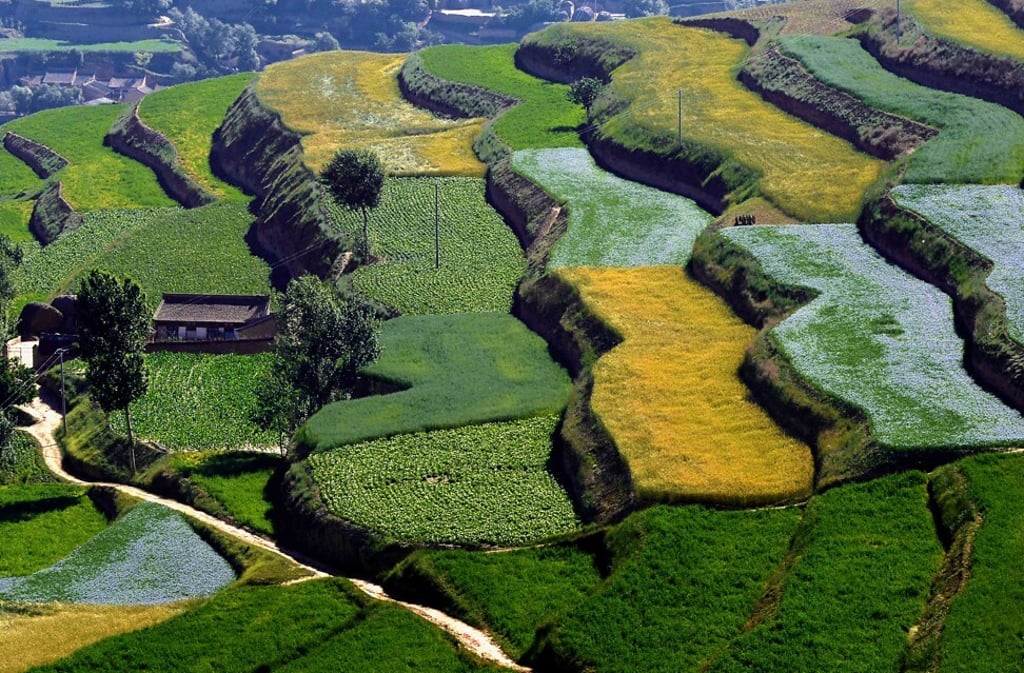
Dingxi, which at the beginning of the new millennium had a larger population than Putian, now has about 80,000 fewer people and is considered a “shrinking city”. Its annual per capita disposable income last year was about half the national average – including Putian’s – while the income gap between urban residents in the two cities rose from less than 2000 yuan in 2002 to 13,295 yuan (US$1879) in 2019.
Two decades after Beijing announced its first western development plan, China’s vast western region, which accounts for more than 70 per cent of the country’s land mass and close to a third of its population, remains much poorer than eastern coastal provinces.