China’s plan for 2.5-day weekend to aid coronavirus-hit economy met with mixed reactions
- Workers, mostly employees of local government or state-owned firms, can opt to take the extra time off for tourism and consumer spending
- China’s retail sales plunged by 11.4 per cent from a year earlier in the first half of the year, while the tourism sector has also been hit hard by the coronavirus outbreak
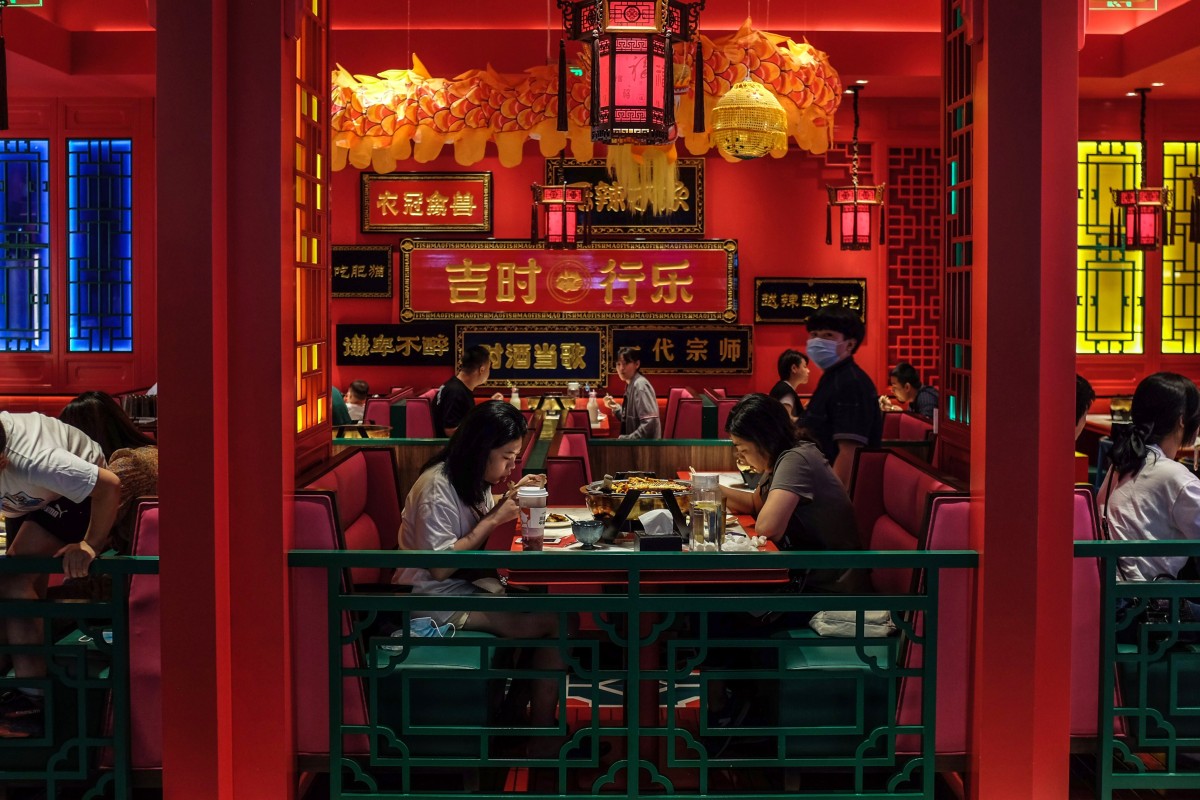
Plans to introduce 2.5-day weekends across China in a bid to encourage tourism and spending to aid the coronavirus-hit economy have been met with mixed reactions.
At least half a dozen provinces have so far encouraged companies to give staff an extended weekend, but only a few cities have responded with detailed plans.
In early June, the government of Hulunbuir, a city in northeastern the Inner Mongolia Autonomous Region, announced a 2.5 day weekend until the end of September, allowing all employees of government agencies and state-owned enterprises to use the extra time.

01:15
China prepares to open Hainan Ocean Flower Island, the world's largest man-made tourist isle
The staff, though, have to work an extra 40 minutes per day to make up time during the regular working week, and also provide proof of their trip or activity.
The city of Yichang, the second largest city in Hubei province after the capital of Wuhan, also offered the same opportunity to employees of the government and state-owned firms from July until the end of the year.
A 2019 study led by National Academy of Economic Strategy under the Chinese Academy of Social Sciences said that an increase of 10 per cent in paid leave could boost individual travel spending by 1.69 per cent, although actual results have been hard to judge due to a low level of adoption across China.