China’s food security concerns mount, but supply risks are growing as farmers hoard grains
- Industry insiders say the coronavirus pandemic has resulted in farmers holding about 20 to 30 per cent more grain in reserve in their home warehouses
- National Food and Strategic Reserves Administration does not comment on reason for the decline in grain purchases in Henan, but says China’s purchasing of the summer harvest is on track

Prices of wheat and corn are rising sharply in the world’s most populous country, raising fresh questions about whether China’s food supply is truly safe amid a rising dependence on grain imports, shrinking arable land and disruptions caused by natural disasters.
The latest evidence came via a decline in the state purchase of summer harvests of wheat – an important grain for Chinese households. According to data released by China’s National Food and Strategic Reserves Administration (NFSRA), China’s state grain reserve system purchased 41 million tonnes (45 million short tons) of fresh wheat from June 1 to July 31, a drop of 17.2 per cent from a year ago.
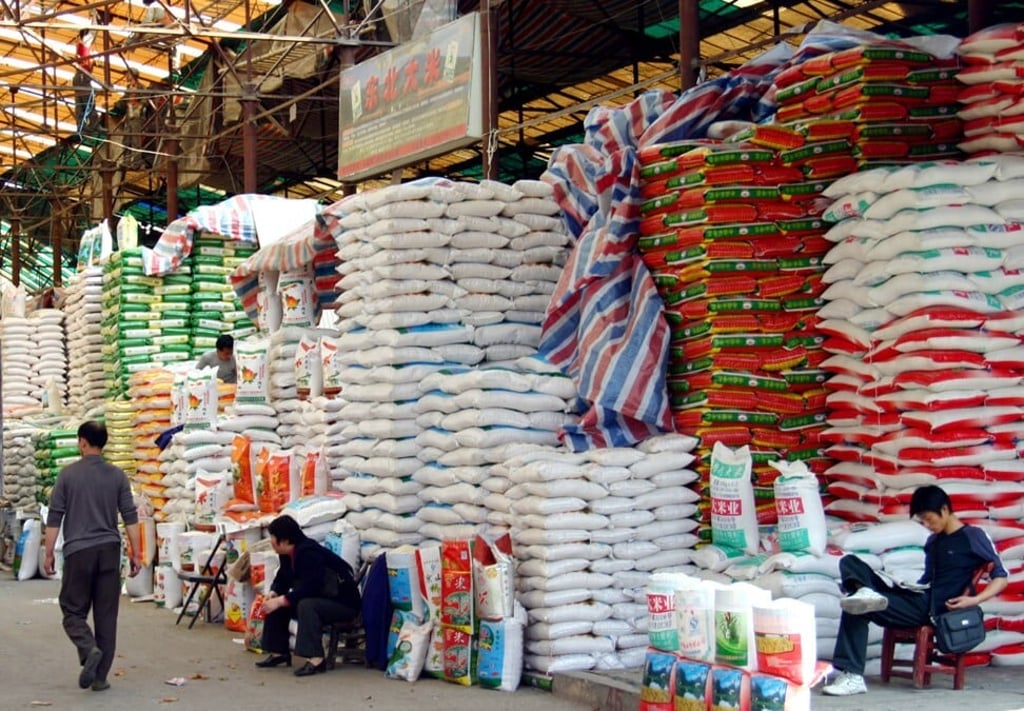
Industry insiders said that many farmers have decided to hoard grains – instead of selling them to the government – as a result of the coronavirus pandemic.
Ma Xiaojuan, deputy general manager at the Henan Oil and Grain Foreign Trade General Company, said farmers are estimated to have put about 20 to 30 per cent more in reserve in their home warehouses, while traders, who play the role of agents between farmers and state-run warehouses, are also hoarding grains in anticipation of further price increases.
In Henan, one of China’s major wheat-growing provinces, an online trading system for grain purchases by state-run warehouses was closed from Thursday, according to a notice issued by the local subsidiary of China Grain Reserves Cooperative that was seen by the South China Morning Post.
The cooperative did not explain the reason for closing the system. But it is obvious that few traders are willing to sell grains to the state purchaser at the relatively low state-sanctioned price of 1.12 yuan (US$0.16) per 500g, or 2,240 yuan (US$322) per tonne.