ExplainerHow the US uses the dollar payments system to impose sanctions on a global scale
- The US dollar’s global dominance gives Washington a powerful tool that it uses to enforce sanctions on people, institutions and countries
- The decoupling of the world’s two largest economies has raised concerns about the United States deploying the ‘nuclear option’ of freezing China’s banking sector out of the global US dollar payments system
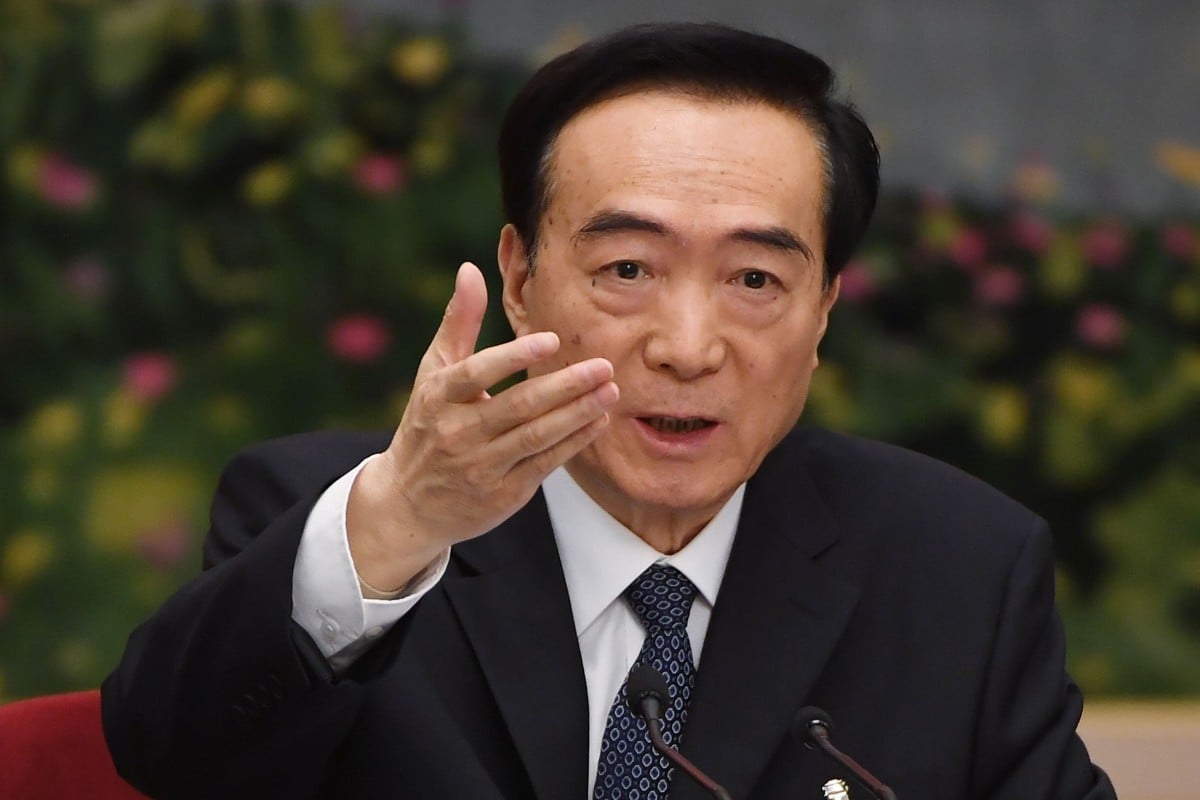
The pervasive nature of the US dollar payments system along with its dominance in international transactions have afforded Washington broad powers to impose economic and financial sanctions on other countries.
Upping the ante against its opponents, the United States has restricted foreign governments, institutions and individuals from using US dollars in international finance so that they are unable to receive payments for exports, pay for the purchase of goods, or own US-dollar denominated assets.
When did the US start using its payment system for political purposes?
The US’ ability to exploit the US dollar payment system began during the administration of former president Bill Clinton (1993-2001) and expanded under subsequent administrations. Since US President Donald Trump initiated his “American first” policy three years ago, a number of payment sanctions have been imposed on Iran, North Korea, Syria, Venezuela and, to a lesser extent, Russia. Chinese individuals and institutions have also been sanctioned for allegedly handling payments from Iran and North Korea. This includes the Bank of Kunlun, a regional Chinese lender that was cut off from the global payments system in 2012 for financing deals with Iran.
These US sanctions block any of the named individuals or entities – dubbed specially designated nationals – from doing business involving property transactions or investments with US entities operating anywhere around the world or with foreign entities in the US.