China’s tech hub Shenzhen moves ahead with GDP alternative that measures value of ecosystem goods and services
- Gross ecosystem product (GEP) system is the total value of final ecosystem goods and services supplied to human well-being in a region annually
- Natural ecosystems such as forests, grasslands, wetlands, deserts, fresh water and oceans, and artificial systems based on natural processes like farmland, pastures, aquaculture farms and urban green land are included
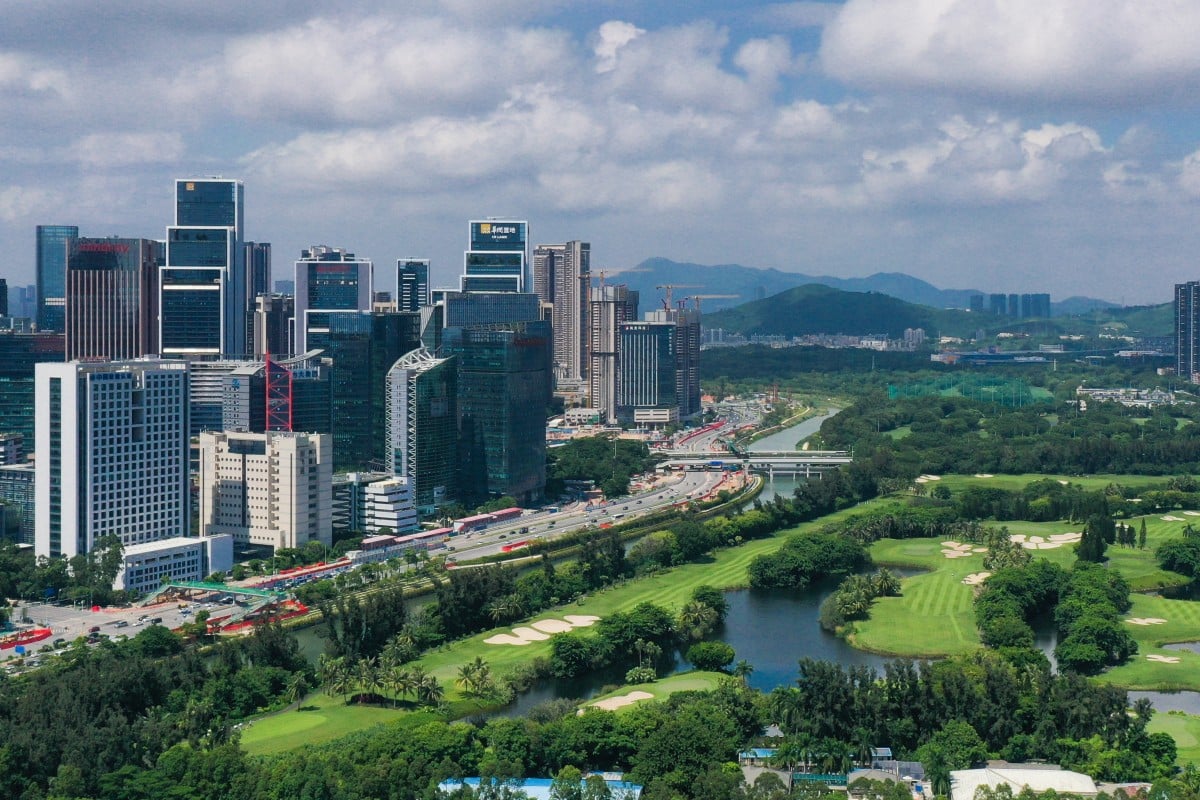
China’s technology hub of Shenzhen claims to have established the first complete system of accounting that will focus on the contributions made by resources and the environment to the local economy, that could potentially replace traditional gross domestic product (GDP) to define the development of the city.
GEP is, according to the International Union for Conservation of Nature, the total value of final ecosystem goods and services supplied to human well-being in a region annually, and can be measured in terms of biophysical value and monetary value. Ecosystems that can be measured include natural ecosystems such as forests, grasslands, wetlands, deserts, fresh water and oceans, and artificial systems that are based on natural processes like farmland, pastures, aquaculture farms and urban green land.
According to the Proceedings of the National Academy of Sciences of the United States of America, GEP and GDP measure different things. GEP counts the value of inputs from nature but not the entire value of all final goods and services in an economy, while GDP includes many final goods and services not counted in GEP.
Its completed GEP automated accounting platform involves 19 indicators, including production of agriculture, forestry and fishery, climate regulation, water conservation, air purification, recreation and tourism, the city’s environmental protection and water bureau said on Tuesday.