Advertisement
As South Korean dramas and films ride wave of international success, how long will China remain off-limits?
- Once considered a promising new frontier for South Korean entertainment, China closed its doors to the industry in 2016, leaving it without a critical revenue stream
- But the industry has found a booming global audience via streaming services and alternative markets, and increasingly large amounts of capital are flowing into production
6-MIN READ6-MIN
28
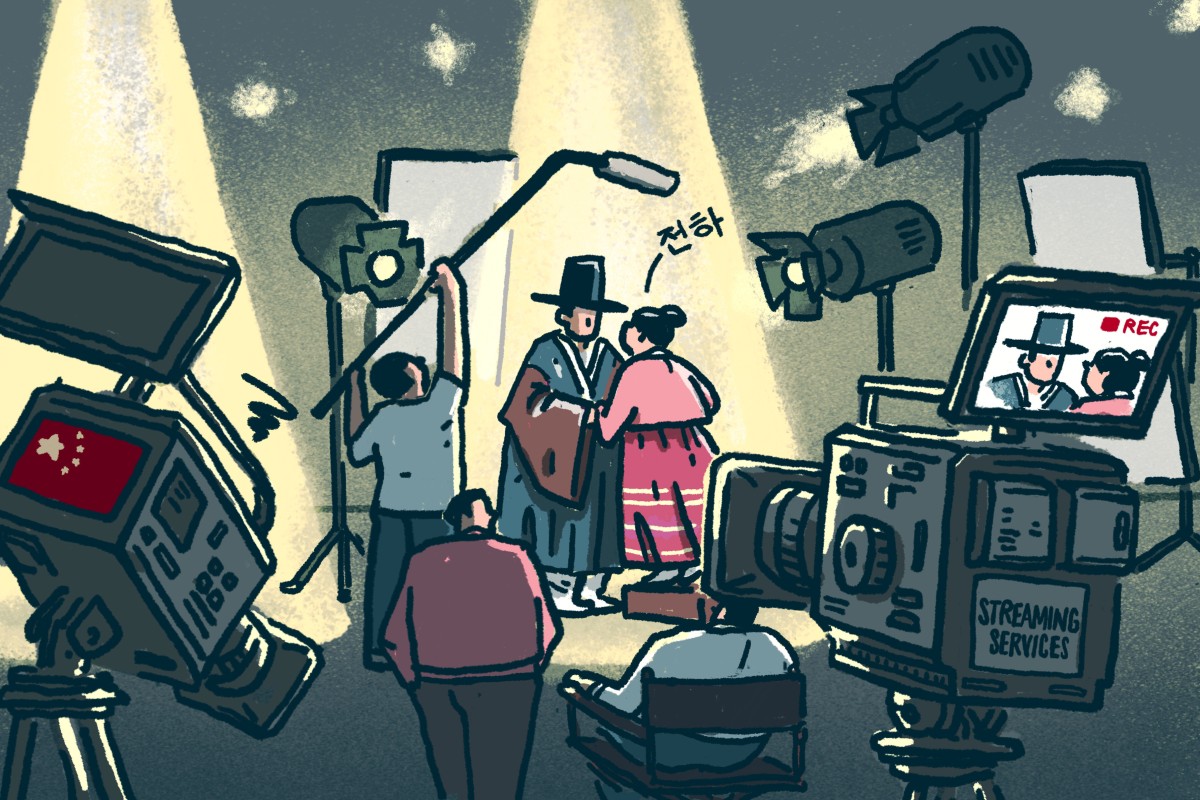
When the 2013 Korean drama series My Love From the Star raked in 150 billion Korean won in China, the untapped potential of the Chinese market beguiled and enticed South Korea’s entertainment industry.
The male lead of the series, Kim Soo-hyun, saw his popularity in China soar, and it was reported that he earned 3 million yuan for a single appearance on a popular Chinese TV show.
The extraordinary success of the series in 2014 resulted in South Korean studios and producers seeing China as a promising wild frontier, where their content could ride the “Korean wave”, or hallyu, referring to the popularity of the Korean culture abroad.
Advertisement
But less than a decade after the gold rush began, China is no longer the promised land it once was.
Instead, the Korean entertainment industry’s ambitions have grown beyond China, emboldened not only by recent worldwide success, but also by the rising amount of foreign and domestic investment that has been pouring in.

The first blow to the thriving export of Korean content to China came in 2016, when Beijing banned it in retaliation for Seoul deploying the US missile-defence system known as THAAD.
Advertisement
Advertisement
Select Voice
Select Speed
1.00x