US-China relations: ‘market distortion’ and ‘industrial subsidies’ must be defined in talks, Chinese ex-finance minister Lou Jiwei says
- China’s outspoken former finance minister says the time has come to ‘set some ground rules’, as he accuses the US of adopting practices that it has accused China of
- Former US treasury secretary Henry Paulson says it’s ‘going to be difficult’ for the two countries to make progress on trade

China and the United States must come to terms on how to define “market distortion” and “industrial subsidies”, because the US also appears to have adopted such practices, according to outspoken former Chinese finance minister Lou Jiwei.
The massive amount of money granted to certain sectors and corporations has long been a controversial component of China’s economic model, with other nations saying it gives China an unfair advantage in global trade at their expense.
06:01
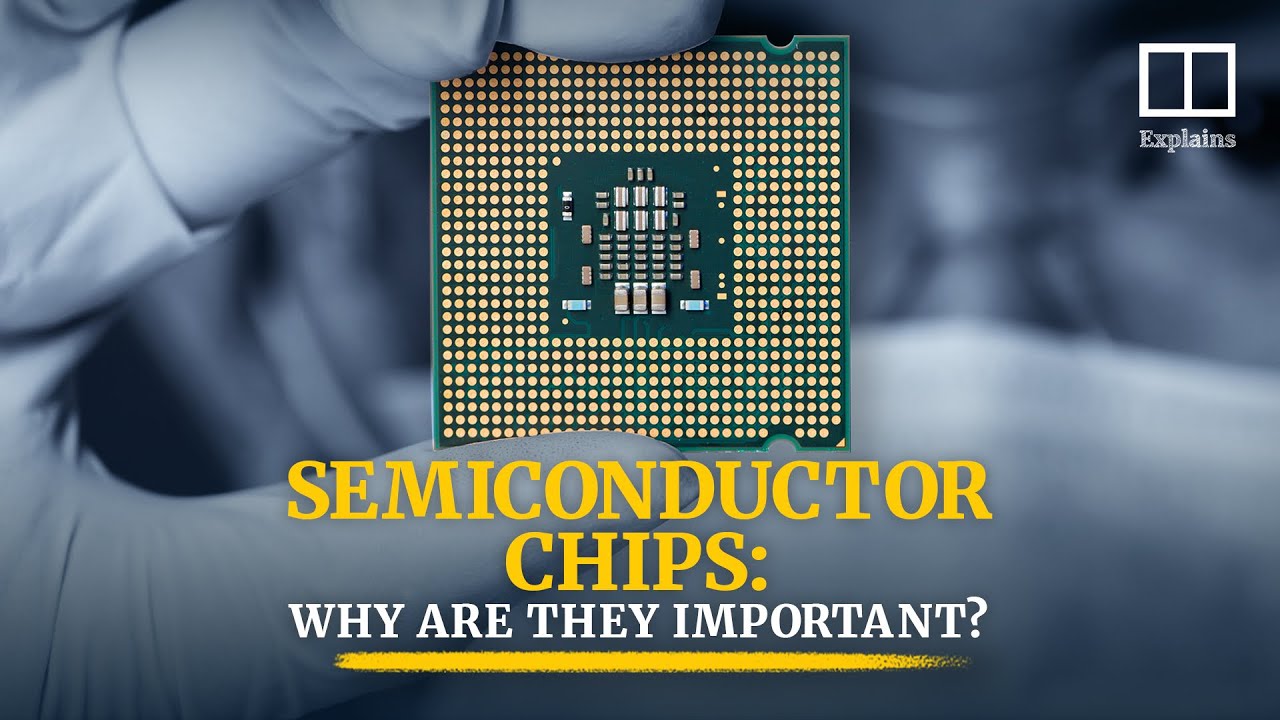
There’s a global semiconductor shortage and this is why it matters
“The US has [distorted the market] as well, and it does that through legislation,” he said during a closed-door virtual dialogue on January 15 with the US’ former treasury secretary, Henry Paulson. The video was made public on Friday, nearly four weeks after the Global Asset Management Forum – Shanghai Suhewan Summit.
“The two sides can sit down together to talk about what is meant by ‘market distortion’ and ‘industrial subsidies’, and set some ground rules. It is time to do so,” said Lou, who is now director of the Foreign Affairs Committee of the Chinese People’s Political Consultative Conference (CPPCC), the country’s top political advisory body.
The bill was seen as a move to bolster American competitiveness with China amid the fierce and protracted tech rivalry between the two countries.