ExplainerHere are 3 anti-corruption tools in China’s arsenal that may be underutilised
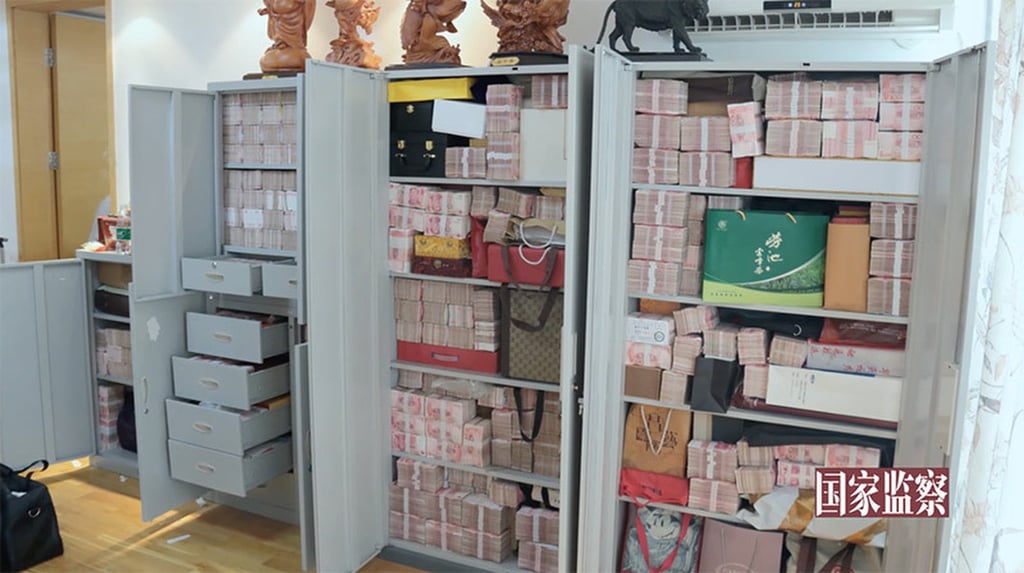
- Owning ill-gotten homes and hoarding stockpiles of cash is getting harder in China as privacy wanes and transparency reigns
- China’s graft-busters are putting corrupt officials on notice with eye-opening checks and balances

China’s anti-corruption storm is raging on, with dozens of state bank executives and financial cadres investigated so far this year, while government officials and managers of state-owned enterprises have come under greater scrutiny in terms of their family assets and business conduct.
In addition to an annual asset-declaration mechanism, here are some unconventional tools that China’s discipline inspectors and prosecutors could wield in their graft-busting gambit.
1. Digital yuan
Although it is mainly designated for small retail payments such as paying utilities or ordering a cup of coffee, it can actually be used in other scenarios such as cross-border trade, corporate spending, payrolls and bank loans.
“The traceability of the digital currency can be used to effectively deter and combat payment deductions and corruption,” Hong Yong, a fellow with the Ministry of Commerce’s research institute, said last year.
The announcement immediately raised privacy concerns among local officials, particularly about where and how much they spend every day, and it could shed light on purchases of luxury items or elaborate banquets.