Northern China loses Din Tai Fung’s dumplings as consumers keep budgets under wraps
Din Tai Fung, a Taiwan-based restaurant chain, will close several of its mainland China stores as customers lose appetite for pricier meals

The Yins have a conundrum.
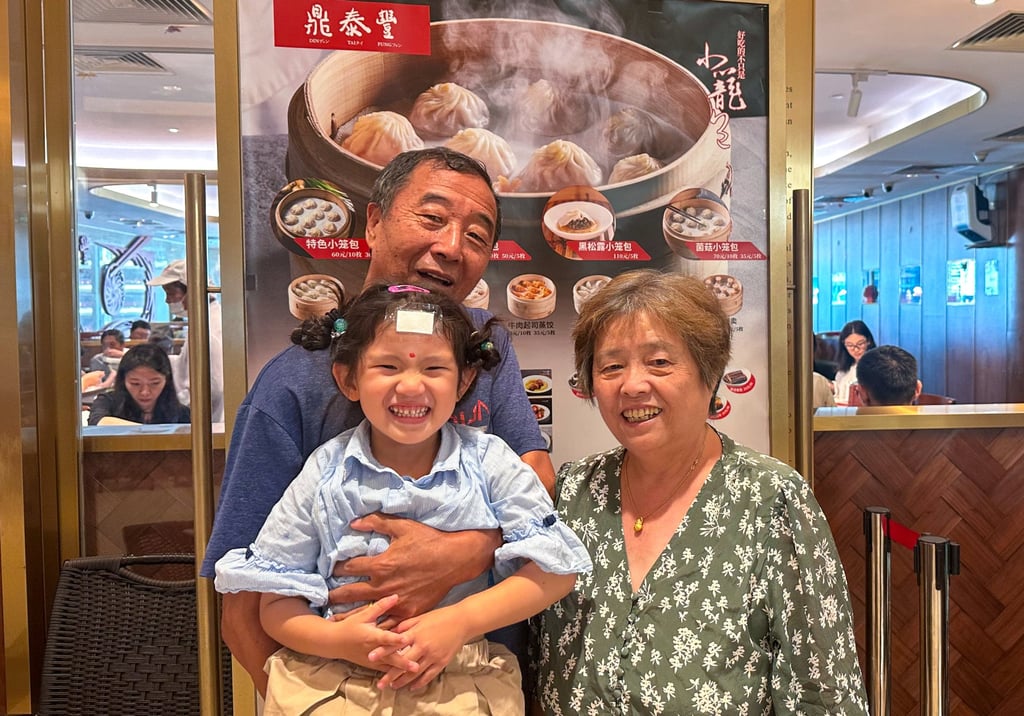
“My granddaughter loves the dumplings here, so we always come for lunch,” said Mrs Yin, gesturing towards the 4-year old as the family waited for a table at the national capital’s China World Mall. “We still haven’t figured out where else to take her. We are expecting a tantrum when she finds out.”
They may be out of luck. The chain’s announcement it would close all its shops in northern China – no alternate Beijing locations for the Yin family – marks the end of a 20-year engagement between the wildly popular restaurant and a consumer base once flush with discretionary income and hungry for new places to spend it.
The region’s 14 stores will be closed by October 31, the company said last week in a written statement which attributed the decision to the expiration of a business licence and disagreements over renewal. However, the 18 shops in southern China will remain open, as they are operated by a separate franchisee.
“These were times when the Chinese economy was experiencing a boom, with an expansion in international exchanges, the middle class and expat populations,” said Wei Wei, a researcher at Beijing-based think tank Anbound.