China restricts low-altitude aviation near Beijing after building strike: analyst
Additional screenings now required for pilots to access parts of the capital, affecting mountain tours and Great Wall flights, industry insider says

The regulatory move affected crewed aircraft near Great Wall tourist sites, aerial tours of Beijing’s suburban mountains, and agricultural-use flights north of the capital, but was expected to have little impact on drones and uncrewed air taxis, which were already banned from much of that space, the analyst said, speaking on condition of anonymity.
Because the curbs apply to general aviation – activity below 1,000 metres (3,280 feet) – commercial flights from Beijing’s major airports would be exempt. Instead, the enhanced oversight would mainly cover private recreational flights, some business travel by air and flight instruction – parts of China’s burgeoning low-altitude economy, the source explained.
Aircraft intending to fly below 1,000 metres in central Beijing, anchored by Tiananmen Square, must first undergo a background check with the Ministry of Public Security, according to the analyst.
“The reason why it is 300km is that it is the range of most small aircraft,” the analyst said, adding that while there was no publicly written order, “all of the guys in general aviation are acquaintances, so they will inform each other”.
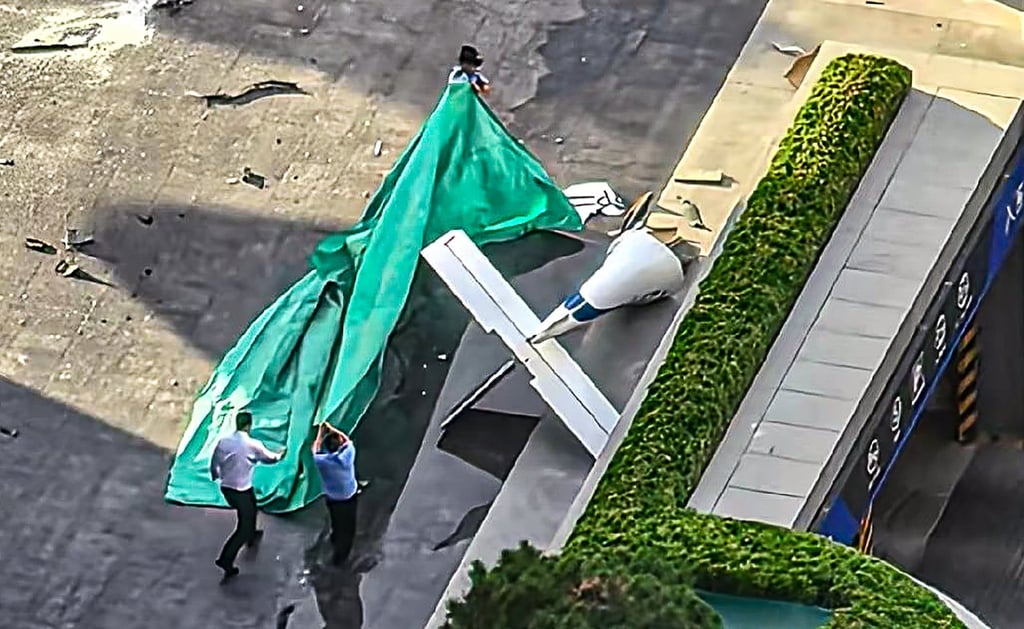
Operators of helicopters and small planes conducting low-altitude mountain tours out of Beijing Miyun Mujiayu Airport in the capital’s far northeast – about 60km to 70km from the urban core – and aerial tours of the Great Wall departing from the capital’s Badaling Airport in the northwest would come under the new restrictions, the analyst said. Agriculture-linked flights out of a small airport in Beijing’s eastern Pinggu district were also expected to be further reviewed.