China debt holdings slashed by over 100 billion yuan in May, Beijing eager to ‘safeguard’ currency
- Foreign investors sold 110 billion (US$16.37 billion) net of China’s government debt in May
- Total overall holdings fell to 3.66 trillion yuan after investors cut their holdings for the fourth consecutive month

Foreign investors slashed their holdings of Chinese government bonds for the fourth consecutive month in May amid growing monetary policy divergence between its central bank and the US Federal Reserve that could further weaken the yuan.
Foreign investors sold 110 billion yuan (US$16.37 billion) net of China’s government debt last month, cutting their total overall holdings to 3.66 trillion yuan, the People’s Bank of China (PBOC) said on Wednesday.
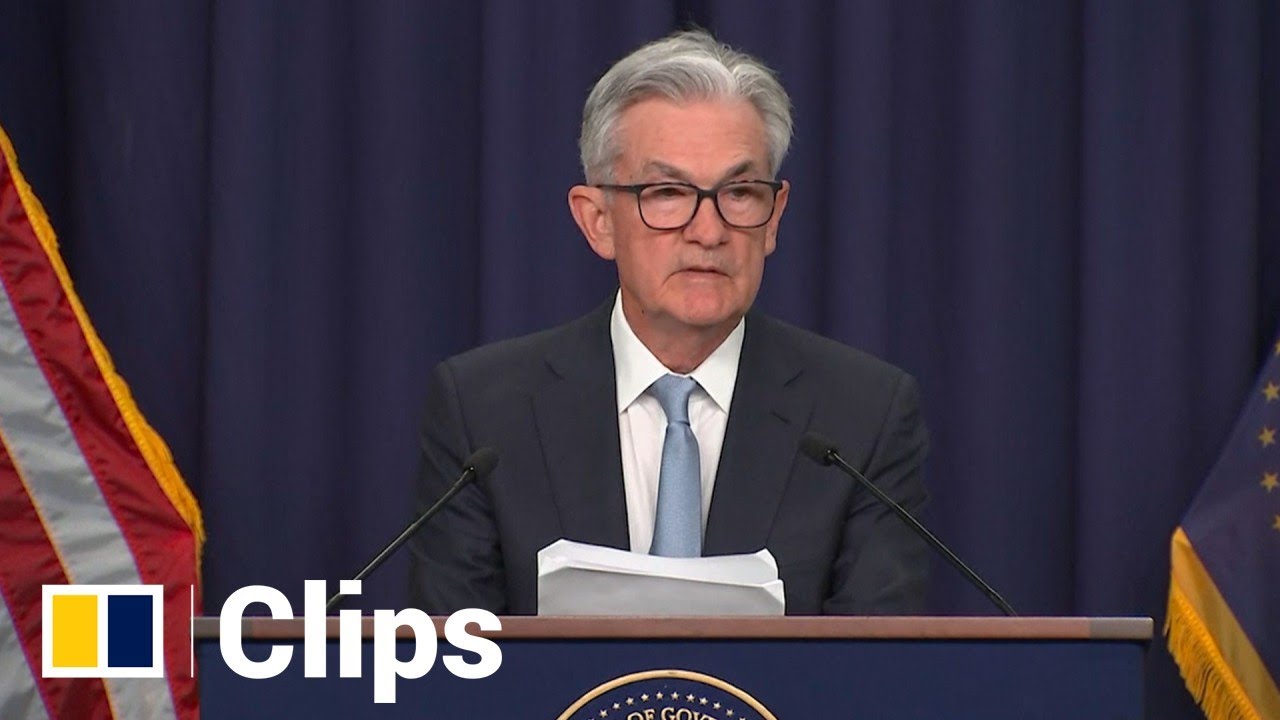
02:09
US Fed raises interest rates by 0.75 percentage point, the biggest hike since 1994
The PBOC data showed that in May, international investors held a total of 2.38 trillion yuan worth of Chinese government bonds and 90 billion yuan worth of bonds issued by China’s policy banks, or quasi-sovereign debt because the banks have the implicit support of the government.
The sell-off comes as the world’s two largest economies have gone in opposite directions in their monetary policies, which could drive further fund outflows from yuan-denominated debt.