Global Impact: Japan, nuclear watchdog under intense scrutiny over discharge of Fukushima nuclear-contaminated water
- Global Impact is a weekly curated newsletter featuring a news topic originating in China with a significant macro impact for our newsreaders around the world
- In this edition, we look at the reaction to Japan’s plan to release treated radioactive waste water from the Fukushima Daiichi nuclear disaster and ponder what is next

01:19
China imposes ban on Japanese seafood over Fukushima water release plan
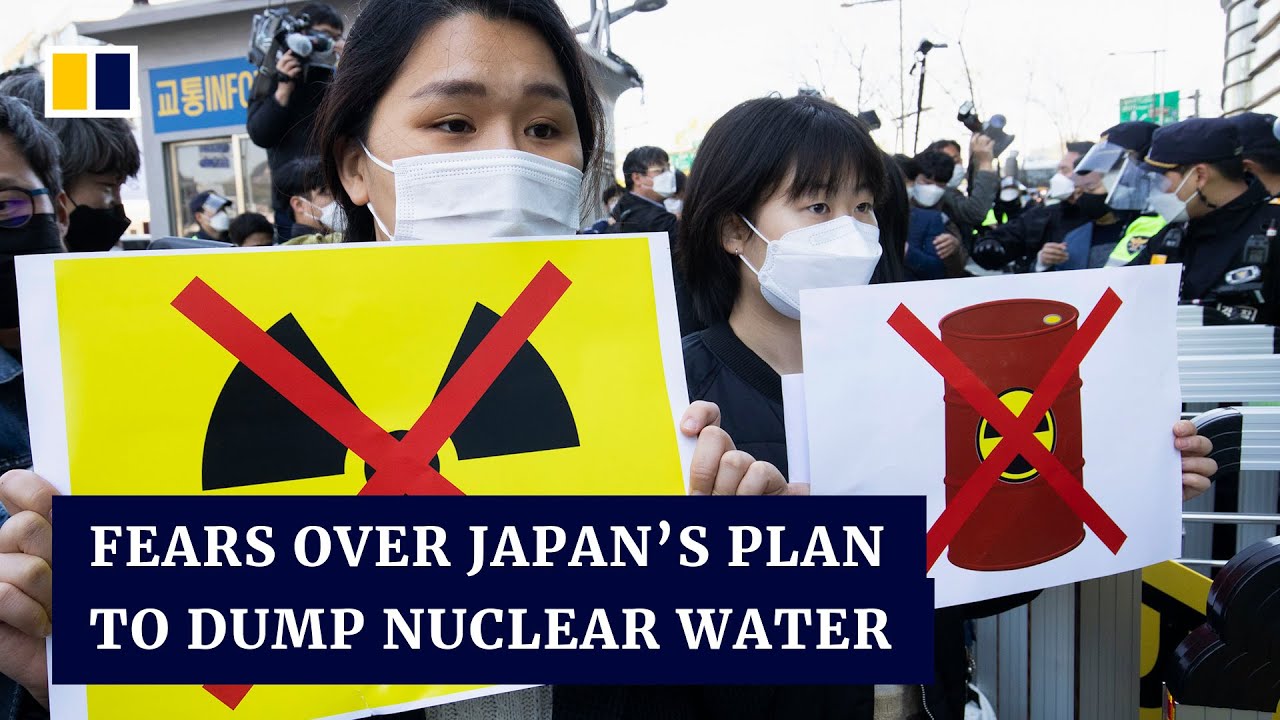
This week, the International Atomic Energy Agency (IAEA) said that Japan’s plan to release radioactive water from the Fukushima nuclear disaster in 2011 into the ocean meets international safety standards.
But instead of allaying concerns of neighbouring countries and activists, the stamp of approval from the global nuclear watchdog has drawn howls of disapproval, particularly from China, and even within Japan.
IAEA director general Rafael Mariano Grossi said at a news conference in Tokyo that his agency’s “comprehensive, neutral, objective and scientifically sound” evaluation showed that Japan’s planned discharge was consistent with safety standards and global industry.
05:14
Why fears remain about Japan's plan to release treated Fukushima nuclear plant water into the sea
Its secretary general, Deng Ge, said that even if international standards are met, the IAEA cannot prove that the discharge is the only or the best option for the disposal of nuclear-contaminated water.