Mapping the blueprint for Hong Kong's office of the future
- From remote work and virtual conferences to employee wellness efforts and workplace flexibility, the pandemic has fundamentally changed the way we do business
- Business processes have gone through many changes since the beginning of the pandemic, and not everything will return to normal after it ends
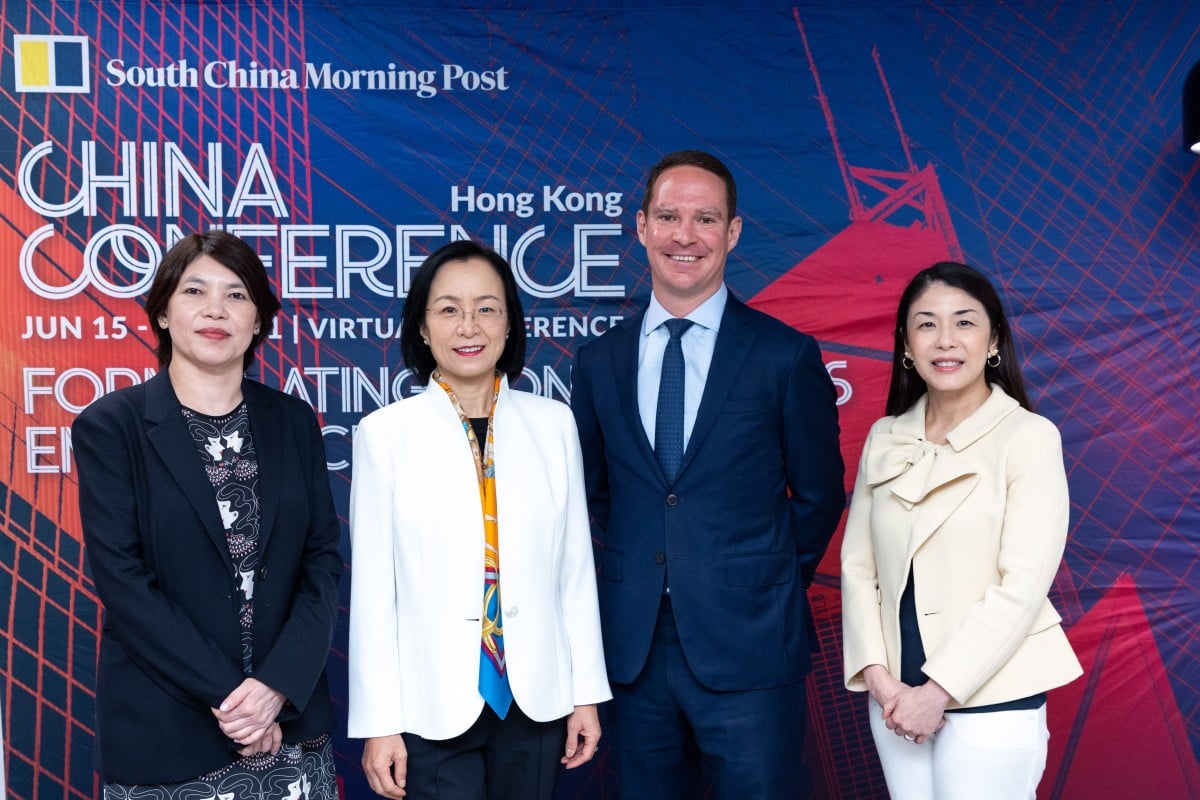
From remote work and virtual conferences to employee wellness efforts and workplace flexibility, the pandemic has fundamentally changed the way we do business. With advanced digitalisation and the implementation of new processes, businesses are finding some of the changes that are actually beneficial, and the hybrid office model might be here to stay.
Generously sharing their insight in this discussion are panellists: Cynthia Chung, Partner at Deacons, Tom Gaffney, Regional Managing Director of CBRE Hong Kong, Joanne Ho, Chief Operating Officer at Fung Academy of Fung Group, and Hong Qiu, Managing Director & Chief Operating Officer of Lazard Greater China.
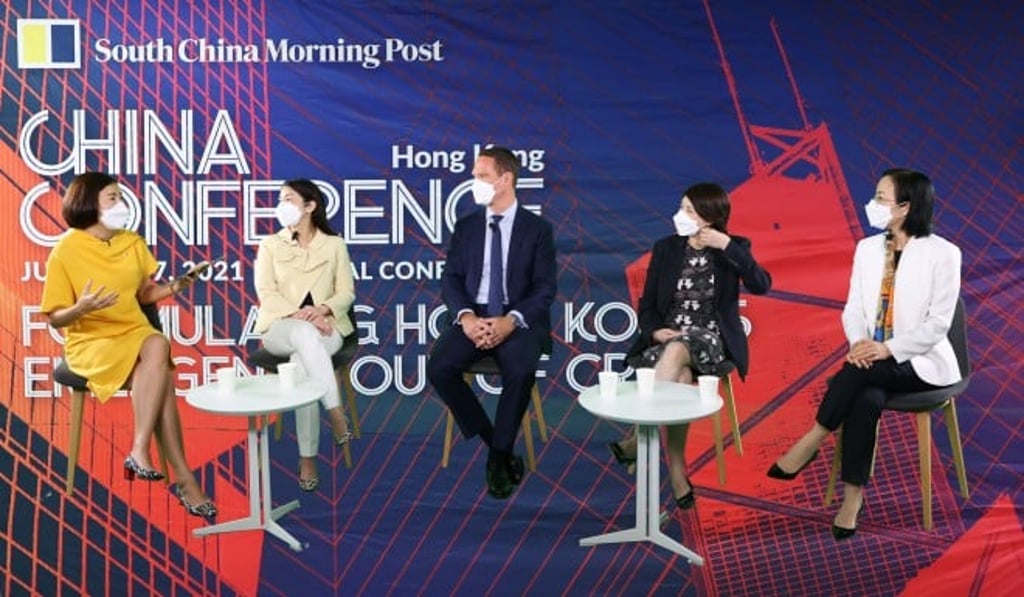
Business processes have gone through many changes since the beginning of the pandemic, and not everything will return to normal after it ends. The panel comments on this topic and notes that while face-to-face meetings are a necessity for many of them in certain situations, maintaining the flexibility that comes with remote work is also on their list of priorities.
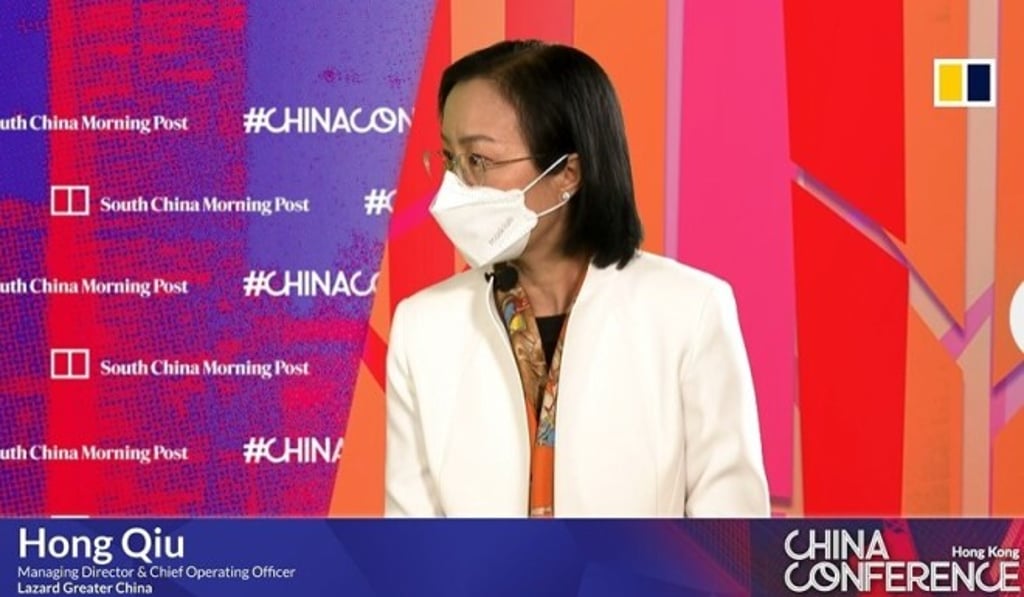
With the switch to remote work early on in the pandemic, technical systems and IT needed to be prioritised in order to enable staff to work from home. As Hong Qiu said about the need for functional and efficient technology, “the most important thing is to have very effective infrastructure support.” This increased focus on digitalisation has benefited companies in many ways, and will allow for a solid hybrid framework even after the pandemic has ended.
Currently, the panellists have found that the best course of action for both their employees’ mental health and wellness and for their company is to keep a good balance between working from home and in the office. They have done this by ensuring that the office is a safe, sanitary, and comfortable environment for employees to work in while still allowing for a degree of flexibility with working from home. Since this balance is so important and most companies cannot function on purely virtual interaction, co-working spaces and corporate real estate will still be a necessary investment for many.
Many specifics concerning hybrid work environments are still undecided, and it will take time and experience to determine the perfect balance. The hybrid model might include flexible hours, the option to work from home on certain days, and an increased frequency of virtual events and meetings. For now, people can enjoy being able to return to the office and focus on creating a satisfactory work-life balance.
Our playback videos of the conference are available for ticket holders (LEARN, ELEVATE, and ELEVATE+), please visit our website for more information.