Dish in Focus: Sicilian artisanal busiate at Tosca di Angelo
Southern Italian soul meets Hong Kong’s skyline atop The Ritz-Carlton, in this coastal classic turned elegant signature

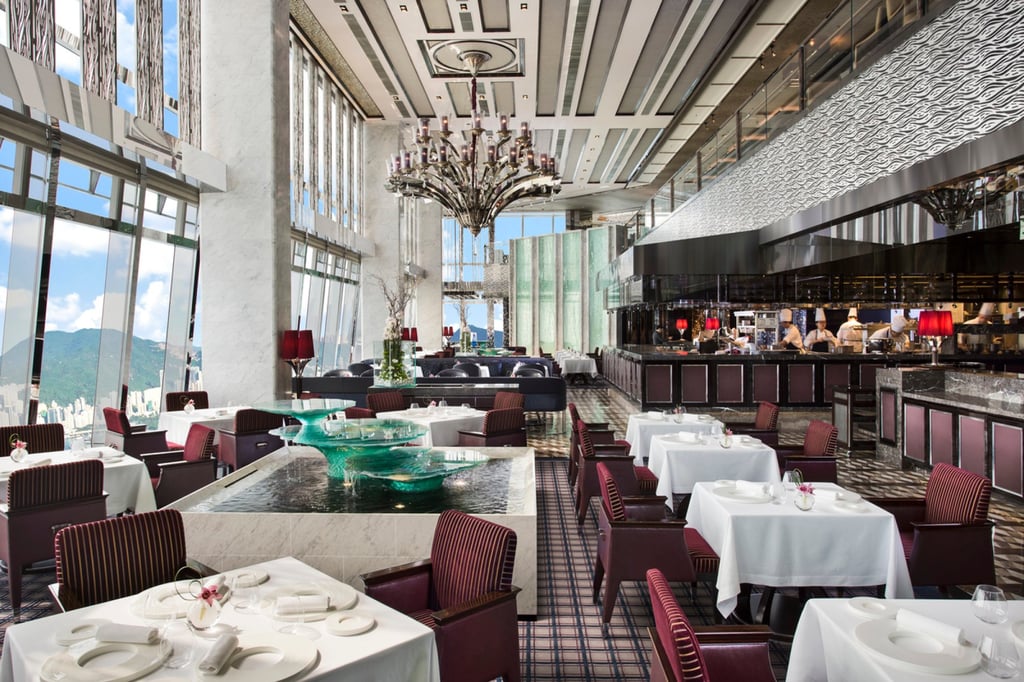
Tosca di Angelo, on the 102nd floor of The Ritz-Carlton, Hong Kong, frames southern Italian cooking against one of the world’s most dramatic skylines. The hotel’s Italian restaurant, which opened in 2011 and was originally named Tosca after Puccini’s classic opera, then renamed Tosca di Angelo in 2019, boasts sweeping views, a wood-fired oven and a menu that moves from fresh antipasti to handmade pastas and whole fish grilled over coal.
Born in Sicily and with a career having taken him to some of Europe’s most celebrated kitchens, Angelo Aglianó arrived at Tosca di Angelo as its director in 2019, with a mandate to infuse the restaurant with authentic southern Italian spirit.
Aglianó’s Sicilian artisanal busiate sits comfortably within that framework. It’s a dish that marries the restaurant’s commitment to premium ingredients and theatrical service with his own deep-rooted connection to the island’s coastal cooking.
The busiate with Mediterranean red mullet, pine nuts and raisins appears on the evergreen Ricordi and à la carte menus, but it reads less like a basic signature pasta and more like a story of place, memory and craft.
Busiate is the spiral-shaped pasta traditionally associated with Trapani, the historic port city on Sicily’s northwest coast. Aglianó insists on an artisanal version from the region, made only with flour and water “to preserve its authentic texture”. The absence of egg gives this pasta a firmer, more rustic bite that stands up to sauce. Twined through the coils is Mediterranean red mullet – a fish he says is “a significant ingredient in the Mediterranean, known for its delicate flavour”. Rather than treating the fillet alone as the star, he builds the entire dish around the fish, using everything from the bones to the head.
Though seemingly effortless, a fair amount of difficulty lies in his choice of fish. “Red mullet is the most challenging element: its flesh is delicate, it dries quickly and fine pin bones require meticulous filleting,” he admits. “Extracting flavours from bones and heads requires careful roasting and gentle simmering to avoid bitterness. Achieving crisp skin while keeping the flesh just set demands precise heat control and timing adjusted by feel.”
The ragout is the backbone of the dish. Aglianó roasts the bones and heads until they develop colour, then simmers gently to extract a fish stock, which is reduced and strained. From there, he builds flavour by sautéing aromatics, deglazing the pan and finishing with the reduced red mullet stock “to concentrate sweetness and umami”.
The pasta is cooked al dente, then finished in the pan with olive oil, a spoonful of the ragout, saffron, pine nuts, raisins and a fine bread crumble. The fillet is seared or gently roasted, then placed either alongside or on top of the pasta so the heat and sauce can begin to bind the elements together on the plate.