-
Advertisement
Food and Drinks
Lifestyle100 Top Tables

These pale clouds are Lucknow’s favourite winter dessert, and modern restaurants have noticed

Known by many different names across northern India, makhan malai is made from hand-churning milk and cream into an airy froth

Reading Time:3 minutes
Why you can trust SCMP
Daulat ki chaat, a regional variation of makhan malai, at Indian Accent. Chefs are recreating this dish with modern equipment, extending the seasonal street food’s availability throughout the year. Photo: Handout
Reem Khokhar

On winter mornings in Lucknow, capital of Uttar Pradesh, vendors gather near the Gol Darwaza gateway as the city stirs. They hover over high tables crowned with large basins, which are heaped with what looks like whipped cream.

Early customers gather as the vendors dole out these pale yellow clouds in pattals (leaf bowls). They are topped with shards of silver varq (edible foil) and crushed pistachios or chironji, a nutty seed. The foam dissolves immediately on the tongue – a fleeting sweetness, a hint of saffron, urging one back for another bite, only to be met again with delicate impermanence.

This seasonal confection is known by many different names across northern India: makhan malai or nimish in Lucknow and Kanpur, malaiyo in Varanasi, and daulat ki chaat (“a taste of wealth”) in Delhi – the latter name perhaps best describing the transient essence of the dessert.
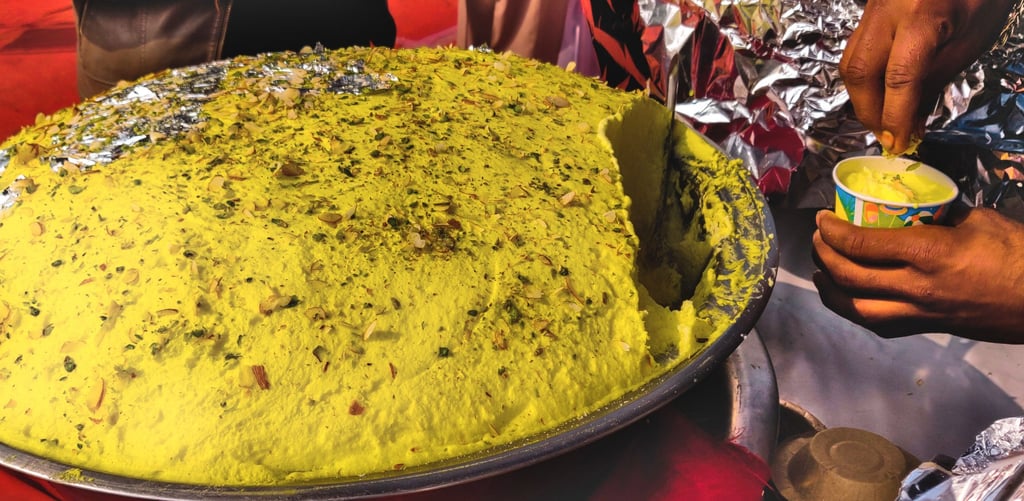
Makhan malai requires painstaking preparation to be made the traditional way. Photo: Getty Images

Slight variations aside, the skilled process is the same: milk and cream are hand-churned into an airy froth that holds its cloudlike form in the chilly air, collapsing as the sun rises.

Advertisement
The exact origins are unclear. “Initially called makhan malai, this was likely a rustic countryside dish,” says culinary historian Anoothi Vishal. “It became refined in cities, probably around the late 19th or early 20th century, with embellishments like saffron and varq.” Some trace it to Central Asia via the Silk Road; others to traders from Gujarat.

The creation of this fleeting dish involves a painstaking process.

Advertisement

“We start with boiling buffalo milk and cream, the latter bought separately from dairies, and then cool this within large basins of ice until about 2am,” says Deepak Mishra, a makhan malai vendor in Lucknow. “The dew that sets on the milk overnight plays an important role. The colder it is, the more dew, and the better the taste.” There are no thermometers or timers – just instinct honed over years. If it’s too cold or warm, the makhan (froth) will not form properly, adds Mishra, who has sold the dish for 23 years.
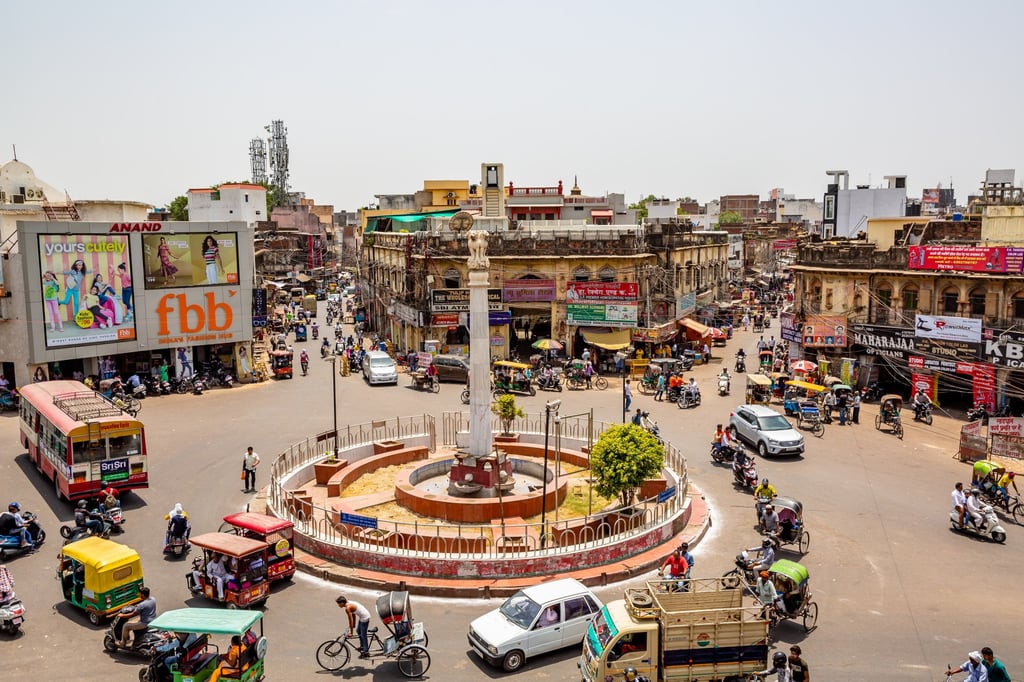
The streets of Lucknow, where makhan malai is available only during winter. Photo: Shutterstock
Advertisement
Select Voice
Select Speed
1.00x