Dish in focus: Beef empanada at Don Pedro
Built around grass-fed Aberdeen Angus beef and finished with chimichurri, this dish captures the neighbourhood steakhouse’s Buenos Aires spirit in a single bite

A Latin staple, the beef empanada is a classic Argentinian bite, but variations occur with every border crossing. At new Argentinian steakhouse and wine bar Don Pedro, head chef Tim Rattray builds his around Aberdeen Angus beef sourced from grass-fed cattle raised on the vast fertile pastures of the Argentine Pampas.
It captures Rattray’s aim of evoking Buenos Aires while letting the quality of the beef and the kitchen’s simple craftsmanship do the talking. The dish also feels especially fitting for Don Pedro, which has a more intimate, neighbourhood-minded energy at its Sai Ying Pun location.
With its focus on grass-fed beef, malbec and straightforward but considered cooking, the restaurant leans into the flavours and rituals of Argentina rather than overcomplicating them, and the empanada is one of the clearest examples of that approach.
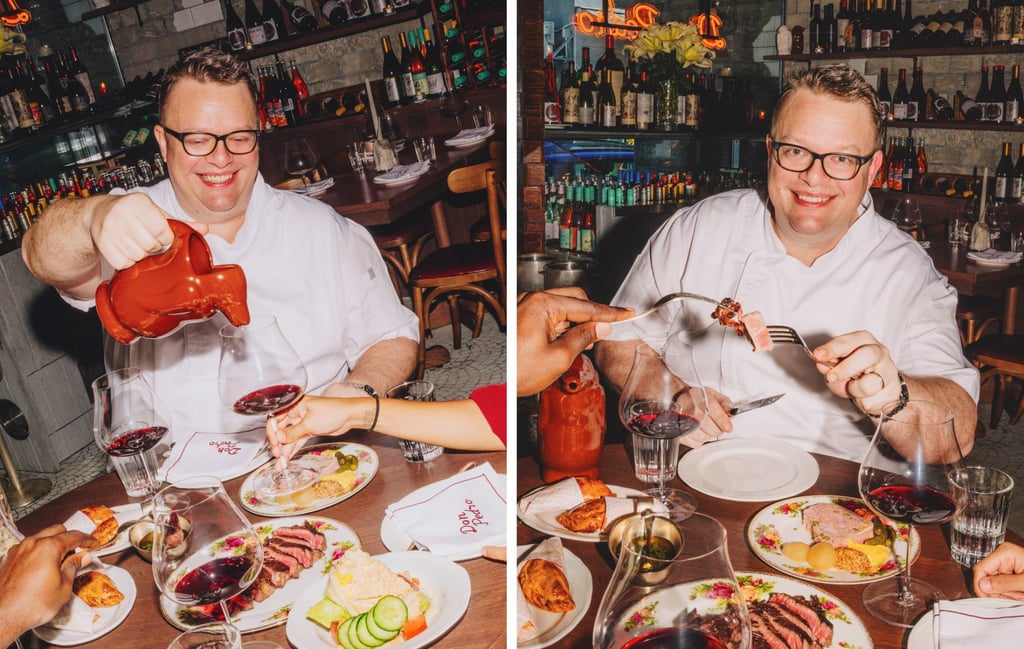
For Rattray, the point was always to keep the dish recognisable, but elevate the execution. “Since Don Pedro is an Argentinian steakhouse, having a classic Argentinian dish like an empanada on the menu was important,” he says. “However, we wanted to evoke an element of nostalgia and fun around it.”
He adds that the goal was to “showcase the quality of the beef and the art of butchery”, then let the spices, seasonings and aromatics come together in a bite that feels both familiar and polished.
That means a disciplined process behind a deceptively simple result. Onions are slowly cooked down until caramelised, spices are added, the beef is lightly cooked, then chilled before chopped green olives, hard-boiled egg and spring onions are folded through. “We hand-chop the beef, which creates a lovely texture, so you can feel the beef [without it being] mushy,” Rattray says, while the “warming notes of paprika and cumin” are lifted by salinity from the olive and egg.
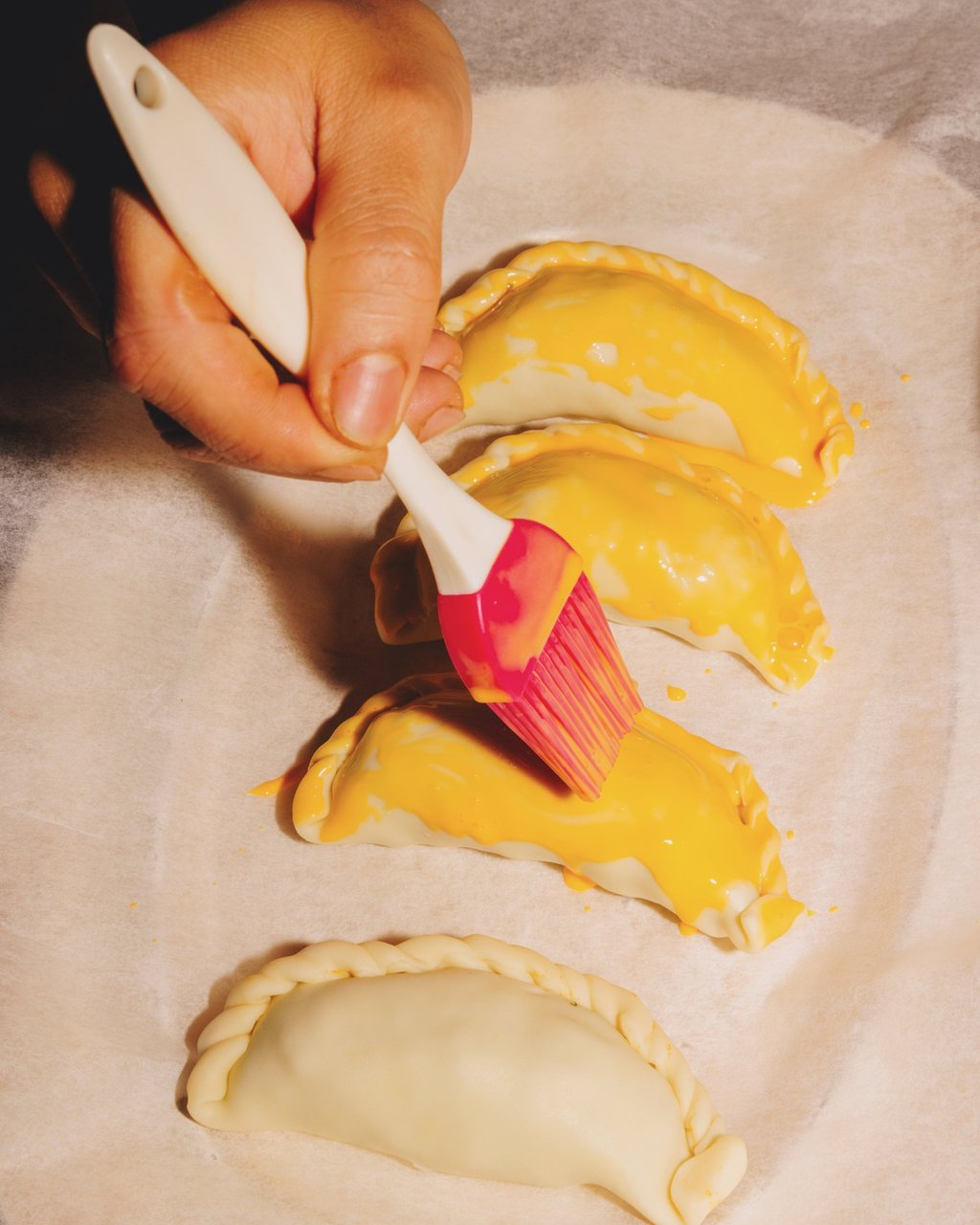
The filling is encased in a 12cm dough wrapper, brushed with an egg wash of Japanese egg yolk and cream, then baked in a 200 degrees Celsius oven until golden. Rattray says the kitchen uses a high-convection fan to keep the pastry crisp while ensuring the inside stays moist – a small detail, but crucial to the finished result.