How 3 chefs in Hong Kong cook beef through the lens of home
The culinary minds behind Carna, Moo-Lah and Duddell’s share how they bring Tuscan, Korean and Cantonese traditions to the table

It’s the same animal. In a Tuscan kitchen, it’s carved tableside as a ritual. In a Korean kitchen, it’s sliced thin and gone in seconds. And in a Cantonese kitchen, it’s been braising since morning.
In Hong Kong, three chefs are bringing their love of beef from home, each cooking through the lens of a childhood tradition that shaped them long before they ever stepped into a professional kitchen. Here is how to eat beef well, because whether in Tuscany, Seoul, or Hong Kong, the rule is simple: when it comes to beef, do as the locals do.
Tuscan at Carna by Dario Cecchini
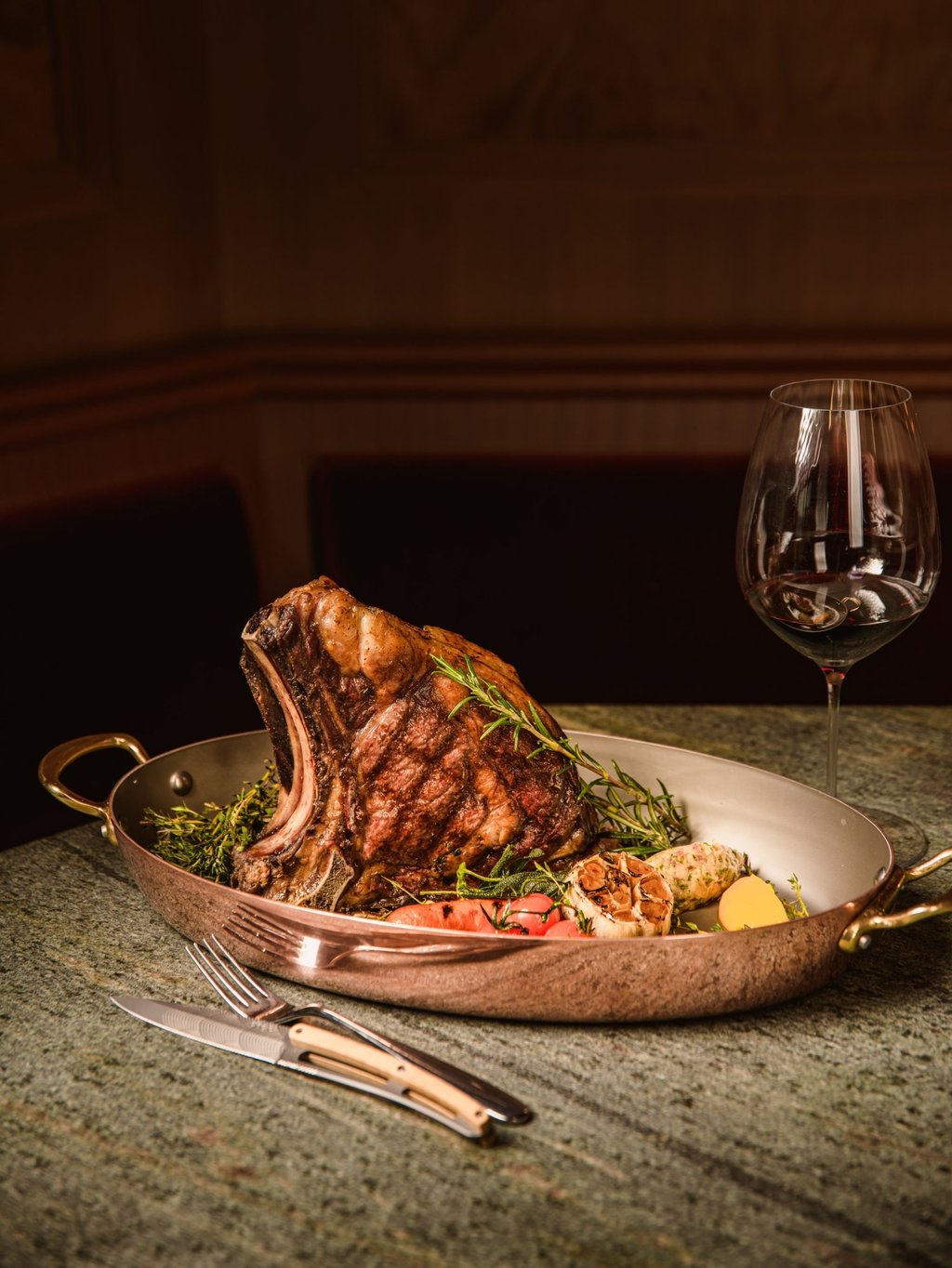
Dario Cecchini is a proud Tuscan – and when an eighth-generation butcher from Panzano in Chianti tells you how to eat beef, you listen.
For Cecchini, the Bistecca alla Fiorentina is the centrepiece of Italian beef. The steak arrives whole, close to 2kg, still shimmering from the grill. It is 4cm thick, which allows the surface to develop a deep, mahogany crust while the inside stays rare and cool. What you get in a single bite is a series of contrasts – char and blood, fat and lean, smoke and minerality. Cecchini calls this “a conversation of textures”.
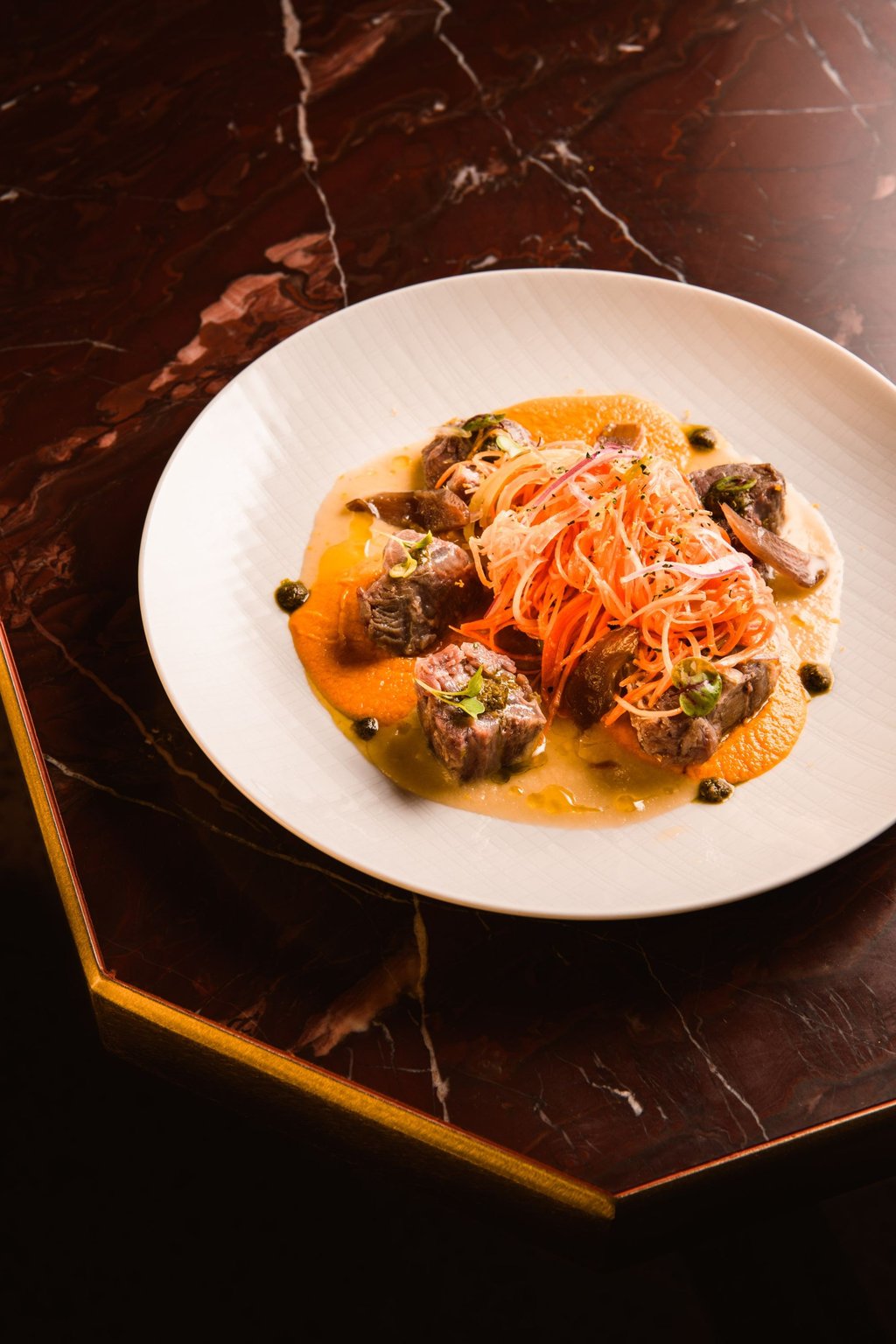
If you want a deeper cut, Cecchini recommends the spider steak. Known in Italian as ragnolino, it is a small, humble cut from the inner thigh. A lean and muscular cut, it is often overlooked in favour of more famous names. Grilled simply on the bone and dressed with extra virgin Tuscan olive oil and Cecchini’s own herb salt, Profumo del Chianti, it proves his philosophy better than any sermon could: no cut is tough if treated with care. It is only ever waiting for the right hands.