The best books for children under 12 who've outgrown kids' books
Parents make a mistake by giving their children classic books to read when they are too young to deal with the subject matter

Harper Lee's Go Set a Watchman has been flying off the shelves of bookshops and libraries around the world, and I wonder whether the copies being sold in Hong Kong should include a label to say that it is not suitable for children under 12. You may think that I'm being facetious, but I have seen a first-grader reading Lee's first book, To Kill a Mockingbird. Clearly not a book he chose for himself, it turned out his parents had encouraged him to read the work because "it is a classic". Had they read the book themselves (which they hadn't), these parents would understand that a story centred on a rape trial is highly inappropriate material for young children, regardless of how strong an independent reader he is.
Our fixation on introducing children to "classics" at a young age may just be another manifestation of hyper-parenting and the need to give children a head start on things including phonics at age two to violin at age three. Or perhaps we've overlooked the value of reading classic literature and are merely focused on "ticking the box" in the same way that we spend our family holiday in California trying to visit as many theme parks as possible.

Children in early primary years are just beginning to appreciate the power of the written language. Now that they are capable of reading for content, it's time to excite them with wondrous words and sentences that help them grasp intentions, moods and context. When reading on their own, children at this stage have progressed beyond Dr Seuss, but are not quite ready for E.B. White and Roald Dahl.
There are some good publications available for transitional readers, the industry's term for children who are graduating from beginning readers to chapter books. They include Passport to Reading, which publishes Ling & Ting, Grace Lin's droll series about a pair of twins; Green Light Readers, which publishes Tim Egan's wacky Dodsworth series; and Walker Stories, which publishes Mary Murphy's lovely Parrot Park series.
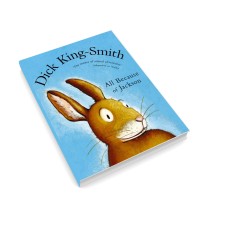
My only gripe with the above books is that, although well-written and enjoyable, they are not stories that children are inclined to read more than once. Here is a selection of stories for first- and second-graders that - like those stories from classic literature - can be savoured, remembered and revisited.