5 of the most enduring myths about video games answered
From Pong to Pac-Man, from Death Race to Angry Birds, we put to rest some myths about origins, violence and sex discrimination, some of which have been doing the rounds since the 1970s

For decades, video games have mystified people who don’t play them. The New York Times Magazine grappled in 1974 with the emergence of the arcade game – calling it “the space-age pinball machine” - in Manhattan bars. What was this new coin-operated amusement? If not a kind of pinball, was it some sort of newfangled jukebox? Electronic foosball? How much money was it making? Was it addictive? Could it help sick people? Train air-traffic controllers? More than 40 years later, many of these questions are still with us. And some myths remain extremely difficult to dispel.
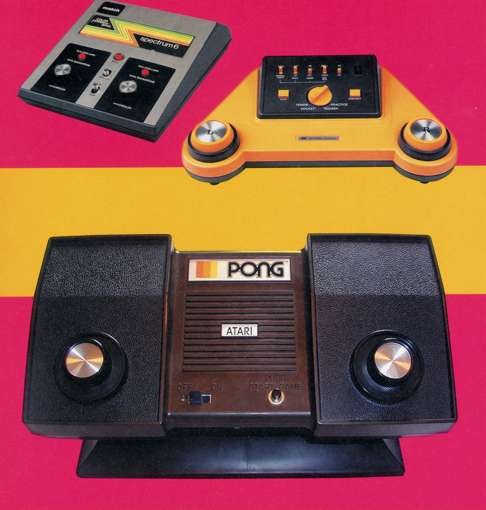
1. Pong was the first video game
Despite numerous debunkings, the idea that Pong was first persists. A headline in Vanity Fair illustrates this common misconception: The Origins of the First Arcade Video Game: Atari’s Pong.
Pong was a huge commercial success, one that helped turn a nascent medium into mass entertainment. But it wasn’t the first arcade game, nor was it the first home video game that you could hook up to your TV. Pong wasn’t even the first video game version of table tennis – it was just the first one that asked you for a quarter to play it.
Like any medium, video games have many antecedents. Most experts point to William Higinbotham’s Tennis for Two, a demonstration created for an open house at Long Island’s Brookhaven National Laboratory in 1958, as the first true video game.