How Hong Kong’s hostile architecture hurts city’s homeless and poor
Life is already hard for the poor in Hong Kong, and the prevalence of hostile architecture designed to prevent street sleepers finding shelter is a reflection of uncaring official attitudes towards the needy

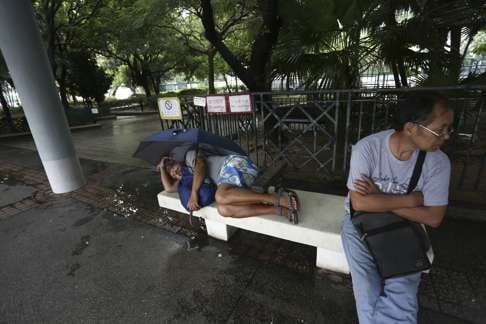
Each night Keung slept rough, usually on a park bench. It was hot and humid, and rats scurried around. To make matters worse, he had difficulty sleeping with his waist propped up by an armrest and his body arching back. He tried laying cardboard across the bench to soften the bump, but it was still uncomfortable.
City dwellers rarely give much thought to the armrests and metal dividers incorporated in the design of most public benches in Hong Kong, but for street sleepers like Keung, who died from cancer shortly after we spoke to him, they are a pain in the butt, literally.
Pang Pik-shan is a founding member of Light Up, a group of volunteers who conduct regular outreach activities serving the homeless, and has noticed many examples of unfriendly design in Hong Kong.
“Pavilions, which are supposed to provide shelter, have apertures in them. Benches are for people to rest on, but have metal dividers that prevent people from lying down. In the case of spaces under bridges, a lot of boulders or large planters are placed there,” Pang says.
So what is the purpose of these designs? “They are a silent way of keeping the homeless away. There’s no need to hire people to get rid of them. These installations and designs are used to let them know they are not welcome.”