How emojis became the modern world’s status symbols – and how they’ve crossed from messaging apps to real life
Emojis are crucial in getting your meaning across in text messages, and now they’re everywhere, from stationery to pyjamas. The next advance? Personalised symbols and stickers that match local cultures and customs

Emojis – which evolved from emoticons, those faces made up of punctuation marks – are part of the unicode and available on every major digital platform. According to Emojitracker, a project created by hacker Matthew Rothenberg that tracks emoji usage in real time, roughly 18.5 billion emojis were used on Twitter from 2013 to the end of last month – and it’s still counting.
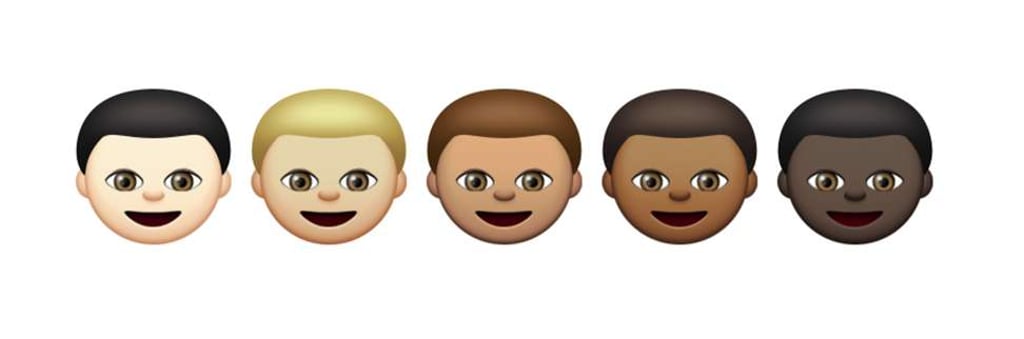
The first set of emojis, designed by Shigetaka Kurita, appeared in the late 1990s when Japanese phone company NTT DoCoMo added them to its handsets (which had black and white screens then) to entice users. Fast forward almost two decades, and the original 176 icons have become part of MoMA’s permanent collection. Emojis in the unicode grow in numbers, variety and racial/gender diversity with each update.
Dali and Matisse have new company at MoMA: emojis
Emojipedia has also just confirmed 239 new emojis – taking genders and skin colours into account – that are scheduled for release in June. Currently, depending on the platform you’re using, up to 1,851 emojis are available.