A history of Hong Kong’s love affair with Latin dance, from salsa to kizomba, the top instructors and where to strut your stuff
After its sanitised beginnings in colonial Hong Kong, Latin dance really took off after the handover, when devotees Bo Ko Si-liu and Ricci Yasin started holding salsa parties. Now fans can dance the night away from Monday to Sunday

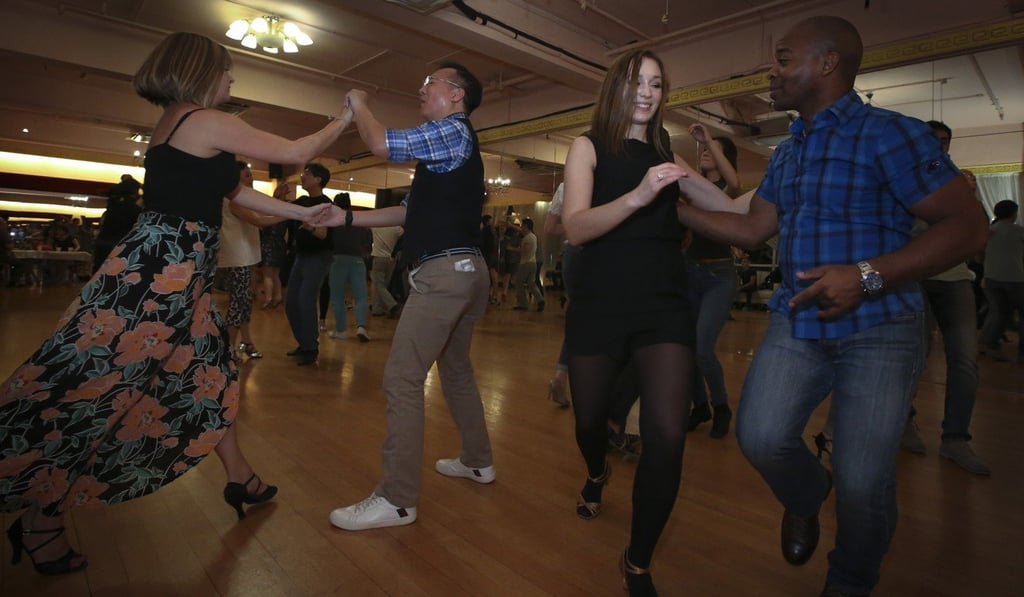
At a club in Causeway Bay on a recent Saturday night, a group of men and women have gathered to dance. And although they come from different countries and from all walks of life, they have learned to express themselves through the common languages of salsa, bachata and kizomba.
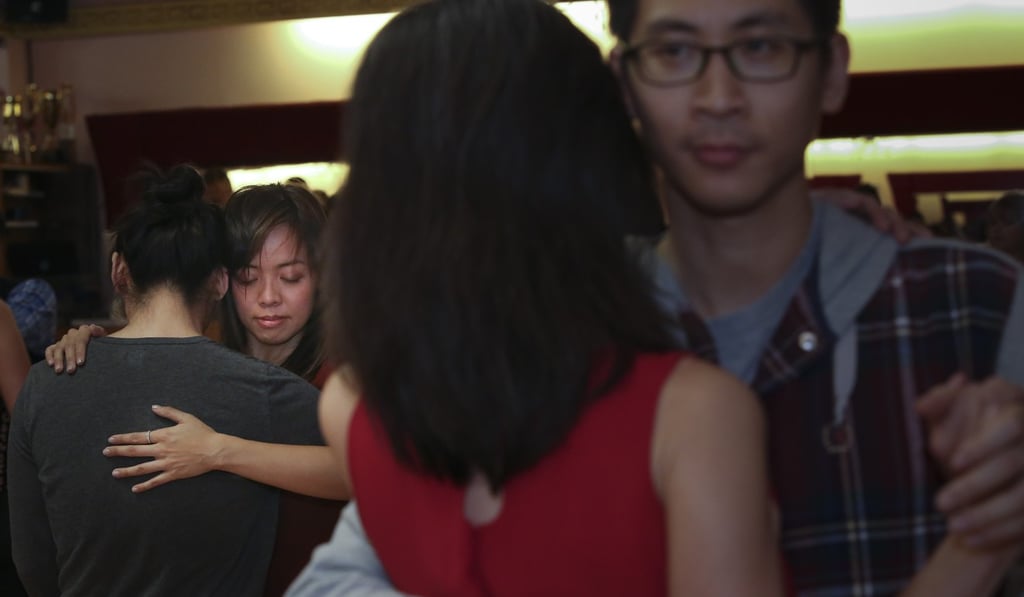
Welcome to Hong Kong’s thriving Latin dance community, whose members meet in different venues across the city every night of the week. Anyone can join in the fun.
However, the city’s Latin dance scene was galvanised in 1997 by a ponytailed Chinese teacher named Bo Ko Si-lui. Bo, who hosted Salsomania nights and Cuban-style salsa classes at the Viceroy of India restaurant in Wan Chai, had spent 20 years in Spain, where he fell in love with the seductive moves. (Bo mysteriously receded from the scene several years ago.)
“The British had this whole thing of making everything into a game, a sport. Here when people find out I’m a musician someone would say ‘What grade are you?’ There are certificates, exams, associations, societies, clubs … It’s the street form of this music and dance where the soul of it really is.”
Hong Kong salsa teacher Franky Wong says he was first exposed to authentic Latin dance when he attended university in Canada in the early 1990s, and realised it was very different to what he’d learned in Hong Kong. “My instructor had an idea, ‘Let’s go to the Latin club in Victoria’ [Canada]. We thought that were we going to kick ass.