How prepared is Hong Kong for a nuclear attack or accident? We talk to the experts
The chances of a nuclear attack on Hong Kong soil are extremely low, yet the authorities hold regular drills and there are emergency plans in place; survivalists don’t think the precautions go far enough

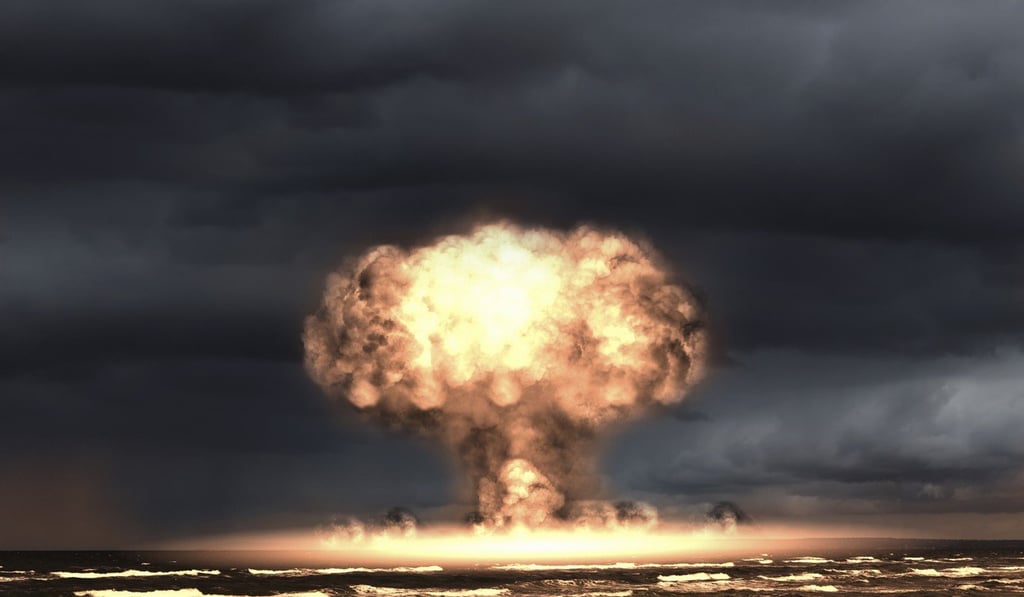
The odds of Hong Kong having to deal with the horrors of a nuclear attack are probably more than a million to one. So there’s little reason to dwell on a doomsday scenario, even as tension rises in the South China Sea, North Korea continues to conduct missile tests, and acts by violent extremists chart an unpredictable path.
“At present, there’s no specific intelligence suggesting Hong Kong is targeted for any attack of this kind,” says Lawrence Li, a senior news officer at the Security Bureau, the part of government that draws up policies for the city’s uniformed services, including the Fire Services Department – responsible for emergency rescue.
Nevertheless, a number of government departments hold regular exercises and drills to practise procedures they would need to undertake in the event of a nuclear disaster. A total of 36 exercises were carried out in 2016, and 10 in the first five months of 2017, Li says.
In 2003, the think tank evolved into the Standing Chemical, Biological, Radiological and Nuclear Planning Group. Its exercises and training sessions are aimed at ensuring individual departments are prepared to mobilise if any such crises occur.
The Security Bureau lays out contingency plans for a host of emergencies – from a plane crash to an incident at the Daya Bay nuclear power station in China, about 50km north of the Kowloon peninsula in Hong Kong – on its website.