ReviewSamsung Galaxy Note 8 full review: top-of-the-line specs and great dual-lens camera – but how much do you need them?
Korean giant’s first dual-lens camera is the second best out there and the display is gorgeous, but battery life is below average; unless you’ll be using the stylus a lot, you’re better off with very similar-looking Galaxy S8+

When Samsung introduced the first Galaxy Note handset in 2011, it was mocked by reporters for its (at the time) overly large 5.3-inch display and its stylus – the latter something Steve Jobs had dismissed as outdated when he unveiled the first iPhone. But the Note ended up being a huge hit with consumers, effectively starting the “phablet” trend that peaked between 2014 and 2016. Even Apple would eventually back away from Job’s declaration by releasing a stylus for the iPad.
Samsung found itself in a bind over what to do with the Note this year, and not just because it has to rebound from last year’s fiasco of exploding Note 7 batteries.
First impressions of Samsung Galaxy Note 8 – a formidable phablet with giant memory and fun camera features
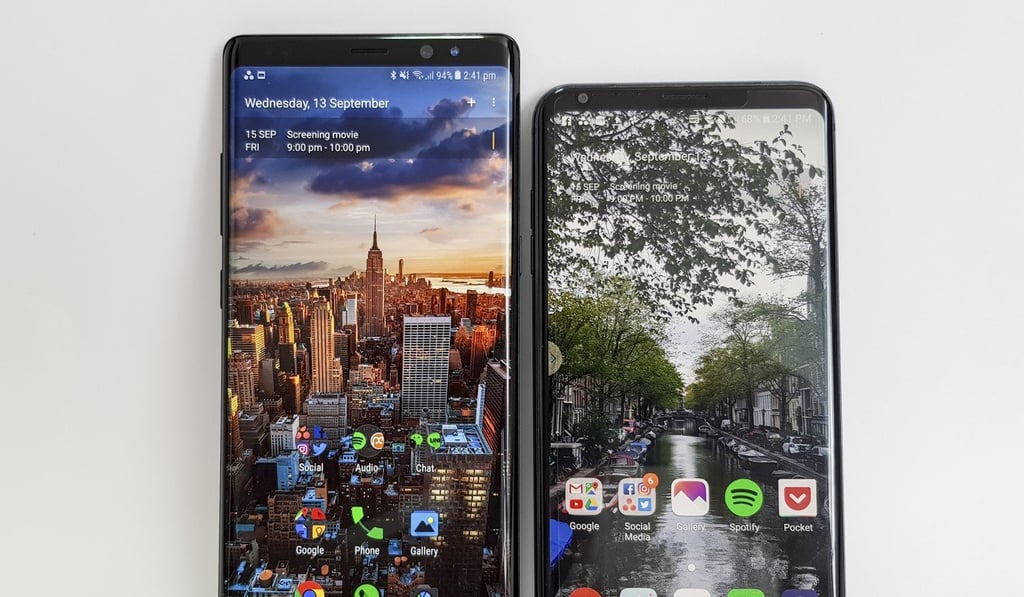
Not quite, but the Note designers’ “go bigger” mentality has clearly been compromised. While the Note 8 is slightly larger than the Note 7, it is barely any bigger than the Galaxy S8+ smartphone released earlier this year. This is the first time in Samsung’s history that a Note device doesn’t tower over its S counterpart. In fact, as noted in our first look, the Note 8 is essentially an S8+ with a stylus. Will this be enough to satisfy consumers?
Design and hardware
The Note 8, just like the S8+, has a gorgeous AMOLED Quad HD panel with an unusually long 18.5:9 aspect ratio; the screen takes up the entire front of the device except for a slim forehead and chin. The Note 8’s screen is slightly larger than that of the S8+ (6.3 inches versus 6.2 inches), but otherwise the two phones’ fronts look identical.
It’s the first Samsung handset with dual cameras, and Samsung’s set-up is very similar to Apple’s – one lens is a “normal” lens, while the second is a “telephoto” shooter that offers a more close-up image.
At the bottom of the device is a slot for the stylus, officially named the S Pen. The stylus is made of plastic and feels a bit flimsy, but the 0.7mm tip is fine enough for a superior annotating experience.